Maine Fly Fishing for Brook Trout, Brown Trout & Rainbow Trout

Published: November 17, 2026
Maine Fly Fishing offers anglers the opportunity to pursue several trout species while adapting to changing river conditions and fish behavior. Brook trout, brown trout, and rainbow trout can occupy different types of water and respond differently to changes in habitat, temperature, flow, food availability, and season. That makes trout fishing more involved than simply choosing a fly and casting it into the river. Water depth, current speed, insect activity, weather, and presentation can all influence how an angler approaches a section of water. The Kennebec River provides a setting where anglers can apply these principles while pursuing trout through a guided fishing experience. Understanding how each species uses the river and adjusting techniques accordingly can make the day more productive and provide a better understanding of Maine's trout fishing opportunities.
Understanding Trout Habitat in Maine
Trout habitat plays an important role in Maine Trout Fly Fishing because fish do not remain in one type of water throughout the day or season. Cold, oxygen-rich water can provide suitable conditions, while current seams, pools, deeper runs, and riffles offer different feeding and resting opportunities. Structure and cover, including rocks, submerged features, and shaded areas, can also influence where trout hold and how they respond to passing food.
Water temperature, river flow, available food, and time of day can all change where trout are found. Seasonal changes may also shift fish between faster and slower water as conditions develop. Before making repeated casts, anglers should read the river and look for signs of feeding activity, current breaks, depth changes, and likely holding water. Understanding these details allows fly selection and presentation to follow the conditions rather than relying on a fixed approach.
Brook Trout Fly Fishing in Maine
Brook trout are closely associated with cold, clean freshwater and can be found in different Maine river environments. Their location and feeding behavior can change with water temperature, flow, insect activity, and seasonal conditions. For anglers interested in Brook Trout Fishing Maine, reading the water before choosing a fly is important. Look for areas that provide food, current relief, and suitable depth, then adjust the presentation to match the conditions.
- Where to Find Brook Trout: Focus on cold, well-oxygenated water, including riffles, current seams, deeper pockets, and areas behind rocks or other cover. During warmer conditions, look for cooler, shaded sections and deeper holding water.
- How to Fish for Brook Trout: Observe the river for rising fish, insect activity, and changes in current before casting. Present the fly naturally through likely feeding lanes and avoid repeatedly casting over water that shows little activity.
- Best Fly Fishing Techniques:
- Dry Fly Fishing
- Nymph Fishing
- Streamer Fishing
- Best Seasons:
- Spring
- Summer
- Fall
Brown Trout Fly Fishing in Maine
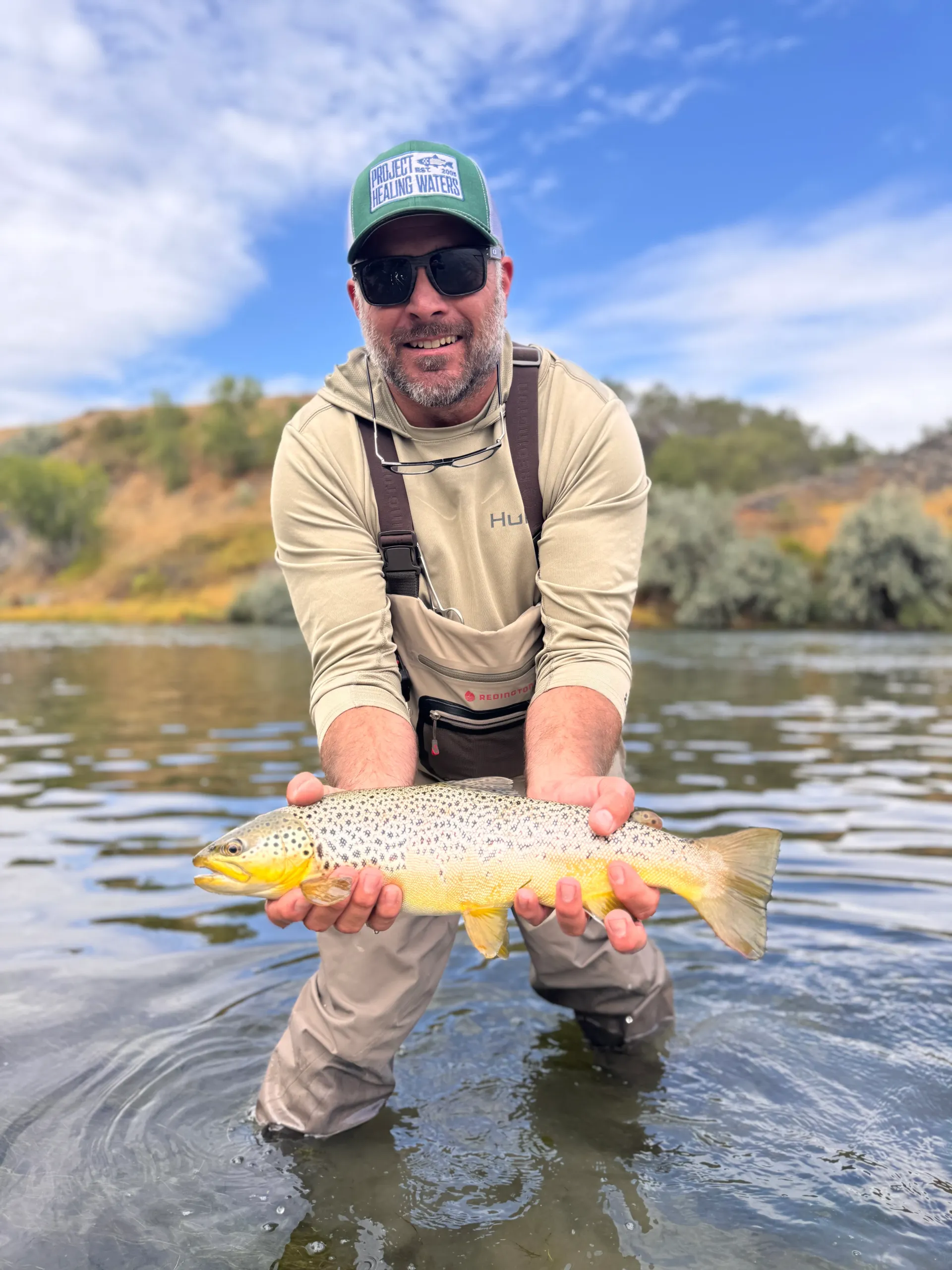
Brown trout can use a variety of river habitats depending on water temperature, current, available food, and cover. For anglers interested in Brown Trout Fishing Maine, identifying likely holding water before casting is important. Deeper runs, pools, current edges, and areas around structure can provide feeding or resting opportunities. Their behavior can also change throughout the day, so fly selection and presentation should reflect what the river conditions indicate.
- Where to Find Brown Trout: Look around deeper pools, runs, current seams, undercut banks, and areas with structure or cover. Pay attention to transitions between faster and slower water.
- How to Fish for Brown Trout: Read the current and depth before casting, then work likely holding areas with controlled drifts. Adjust your presentation when water levels, clarity, or trout activity changes.
- Best Fly Fishing Techniques:
- Nymph Fishing
- Streamer Fishing
- Dry Fly Fishing
- Best Seasons:
- Spring
- Summer
- Fall
Rainbow Trout Fly Fishing in Maine
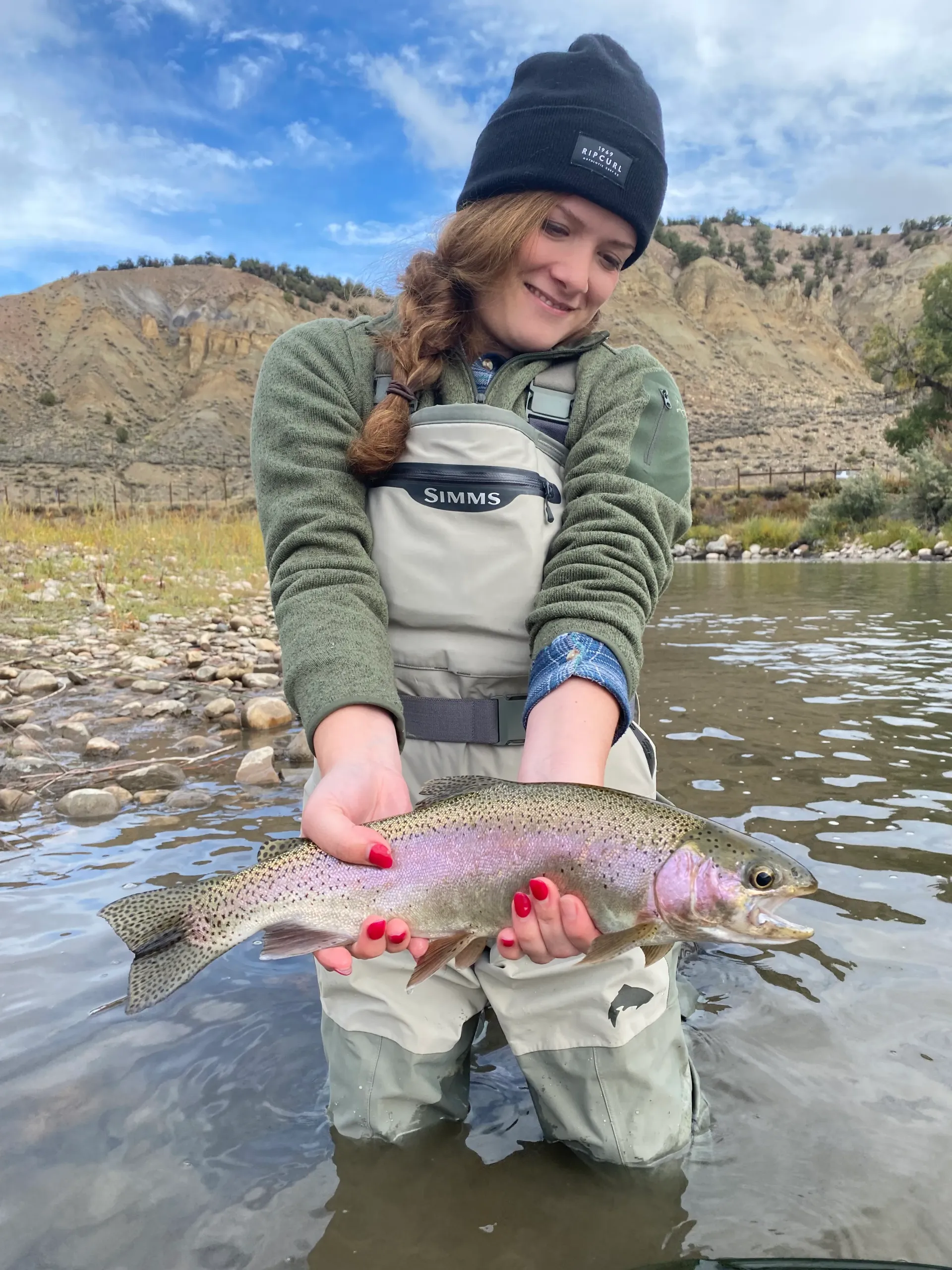
Rainbow trout can move between riffles, runs, pools, and current seams as water conditions and food availability change. For Rainbow Trout Fishing Maine, anglers should pay attention to current speed, water depth, insect activity, and signs of feeding before choosing a presentation. Matching the fly to the conditions while maintaining a natural drift can be important when targeting rainbows in moving water.
- Where to Find Rainbow Trout: Check riffles, runs, current seams, deeper pools, and areas where faster water meets slower current. Look for feeding lanes and changes in depth.
- How to Fish for Rainbow Trout: Observe the river before casting and work areas where trout are likely to intercept food. Maintain a natural drift and adjust depth or fly choice as conditions change.
- Best Fly Fishing Techniques:
- Dry Fly Fishing
- Nymph Fishing
- Streamer Fishing
- Best Seasons:
- Spring
- Summer
- Fall
Choosing Flies and Techniques for Changing Conditions
Fly selection should remain flexible throughout a trout fishing trip because river conditions and feeding activity can change within a few hours. Water clarity, temperature, flow, insect activity, cloud cover, and time of day can all influence which presentation is most appropriate. Trout may also change their feeding behavior as conditions shift.
Dry flies are useful when trout are feeding near the surface and insects are active above the water. Nymphs allow anglers to target trout feeding below the surface, particularly when there is little visible surface activity. Streamers can be considered when trout are responding to larger prey or when anglers want to cover deeper water. Rather than changing flies repeatedly without observing the river, anglers should first look for rising fish, insects, current changes, and other signs of feeding activity. A Maine Fly Fishing Guide can provide practical guidance on adjusting fly choice, depth, and presentation as river conditions change.
Planning a Guided Trout Fishing Trip on the Kennebec River
A guided trout fishing trip can be useful for anglers who are unfamiliar with Maine rivers or want to improve specific fly fishing skills. A guide can provide local knowledge while helping anglers understand how current, water depth, river structure, and changing conditions influence trout location and feeding behavior.
- Reading the River: Learn to identify current seams, pools, riffles, deeper runs, and other areas where trout may hold.
- Adjusting to Conditions: Change fly choice, depth, and presentation according to water clarity, flow, temperature, weather, and insect activity.
- Improving Technique: Guided instruction can provide practical feedback on casting accuracy, line control, fly presentation, and drift management.
- Choosing the Right Approach: Anglers can learn when to use dry flies, nymphs, or streamers based on observed trout activity and available food.
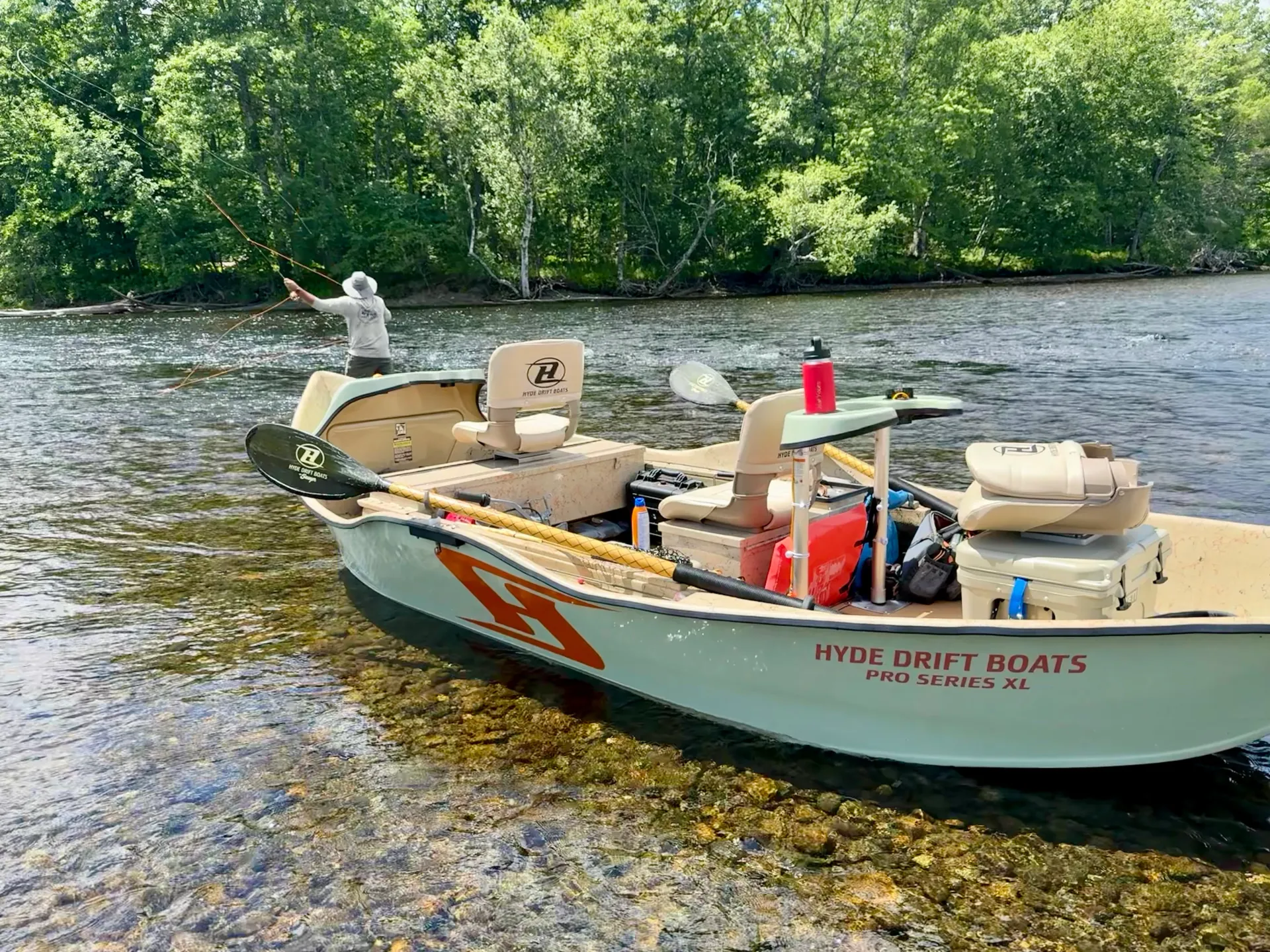
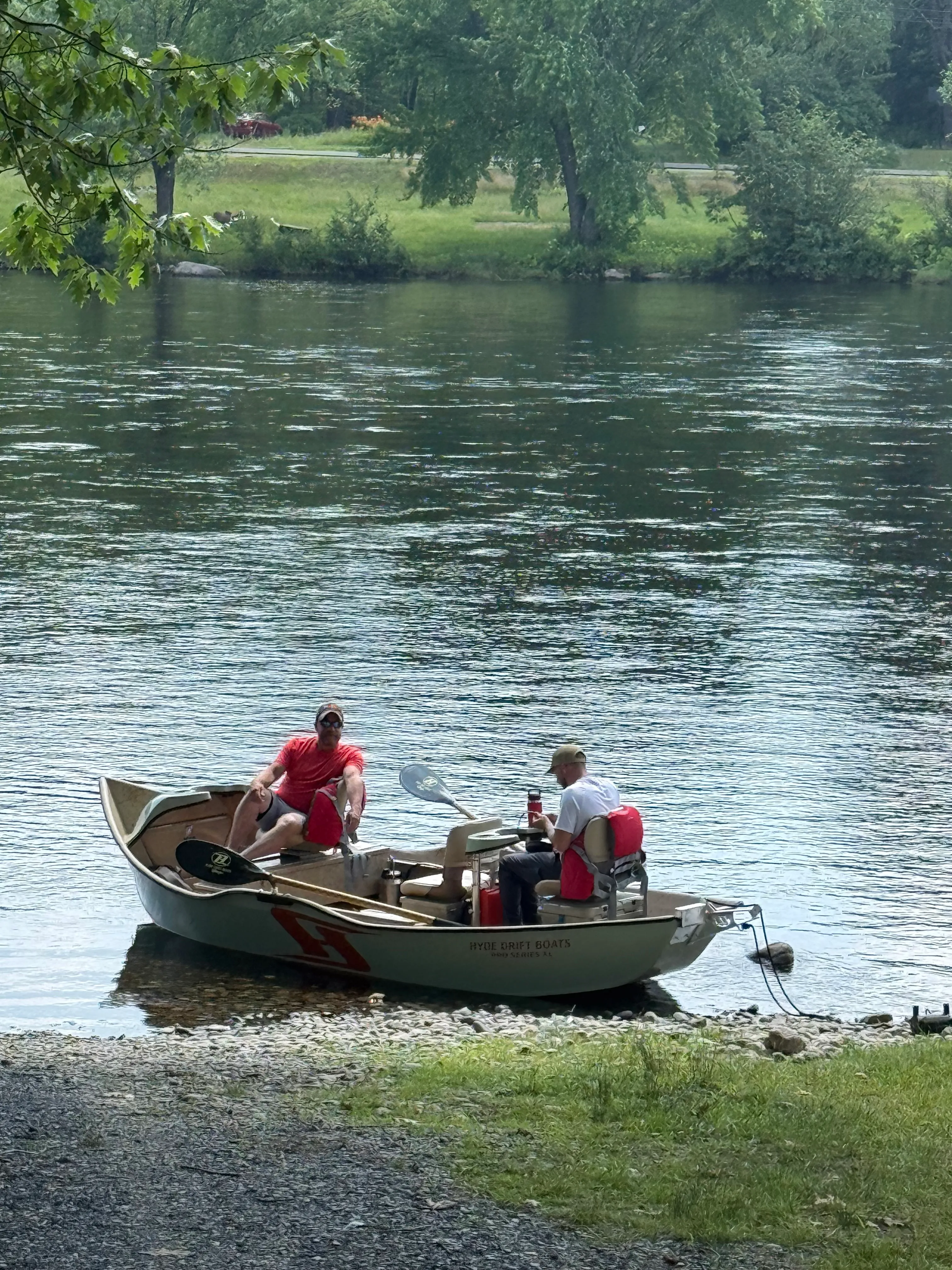
- Drift Boat Fishing: A full-day Kennebec River drift trip can provide access to changing sections of river while allowing anglers to fish from a private boat. Trips may accommodate fly fishing or spin casting depending on angler preference and river conditions.
Maine Trout Fly Fishing With Maple Pond OutdoorsMaine Trout Fly Fishing With Maple Pond Outdoors
Maple Pond Outdoors approaches guided trout fishing with attention to local water, safety, equipment, and instruction. Guide Mark Root leads the Kennebec River drift trips, which are available to beginners as well as experienced anglers. The company provides fishing equipment and guidance so anglers can focus on reading the river, improving their presentation, and responding to changing conditions.
The full-day Kennebec River drift trip takes place from a private drift boat and is designed for up to two guests. Anglers can choose fly fishing or spin casting based on their preference and the conditions on the river. The trip can target trout along with other freshwater species, while the approach can be adjusted to the anglers' experience and goals.
For anglers learning Maine Fly Fishing, hands-on instruction can be useful for developing casting, fly selection, presentation, and river-reading skills. Maple Pond Outdoors provides the necessary fishing gear for fly fishing and spin casting, along with guidance on techniques and water conditions. The combination of equipment and instruction allows anglers to spend more time applying those skills on the river.
Conclusion
Successful Maine Fly Fishing for brook, brown, and rainbow trout starts with understanding the river and how trout respond to changing conditions. Each species can use different habitats and feeding areas, so anglers may need to adjust their presentation according to water depth, current, season, insect activity, and feeding behavior. Fly selection should follow what is happening on the river rather than rely on one fixed pattern throughout the trip. For anglers unfamiliar with Maine trout waters, local guidance can also provide practical insight into reading water and improving fly fishing techniques. Ready to put these approaches into practice? Book a guided trout fishing trip with Maple Pond Outdoors and spend a day on the water.
FAQs
1. What trout species can you target while fly fishing in Maine?
Anglers can target brook trout, brown trout, and rainbow trout in Maine. Each species can respond differently to water temperature, current, available food, habitat, and seasonal conditions, so fly selection and presentation may vary.
2. What flies work well for brook trout in Maine?
Dry flies, nymphs, and small streamers can all be useful for brook trout. The appropriate choice depends on insect activity, water conditions, and whether trout are feeding near the surface or below it.
3. What is the best way to approach brown trout while fly fishing?
Start by reading the water and identifying deeper pools, runs, current seams, structure, and areas that provide cover. Nymphs and streamers can be useful depending on feeding behavior and conditions.
4. How do you fly fish for rainbow trout in Maine?
Look for riffles, runs, current seams, pools, and feeding lanes. Use dry flies when trout are feeding on the surface and nymphs when feeding occurs below the surface. Streamers can also be considered when conditions support them.
5. When is the best time for Maine fly fishing for trout?
Spring, summer, and fall can each provide different trout fishing opportunities. Water temperature, river flow, insect activity, and weather can influence conditions, so seasonal timing should be considered alongside current river conditions.
6. What water conditions should anglers look for when fly fishing for trout?
Look for cold, oxygen-rich water, suitable depth, current seams, riffles, pools, and areas with structure or cover. Water clarity, flow, temperature, and insect activity can also influence where trout hold and feed.
7. Should I use dry flies, nymphs, or streamers for Maine trout?
The choice depends on what trout are doing. Dry flies are suited to surface feeding, nymphs target fish feeding below the surface, and streamers can be useful when trout respond to larger prey or anglers want to cover deeper water.
8. Is the Kennebec River suitable for guided trout fly fishing?
The Kennebec River offers opportunities for guided fishing, including drift boat trips where anglers can use fly fishing or spin casting techniques. The approach can be adjusted according to angler preference and river conditions.
9. Do beginners need fly fishing experience before booking a guided Maine trout trip?
No. Guided trips can provide hands-on instruction for beginners, including casting, fly selection, presentation, and reading the river. Experienced anglers can also use guided trips to refine specific techniques or explore unfamiliar water.
10. What should I expect from a guided trout fishing trip in Maine?
A guided trip may include equipment, instruction, river-reading guidance, and help adjusting techniques to current conditions. Depending on the trip, anglers may fish from a boat or other suitable access point while targeting trout with appropriate techniques.