Maine Fishing in Fall: Best Fish to Catch from September Through October

Published: November 17, 2026
Maine's fishing season changes quickly once summer gives way to fall. Fall fishing in Maine can begin with river temperatures around 64°F to 68°F in early September, when warmwater species remain active, and bass patterns still resemble late summer. As October progresses, overnight frosts can push water temperatures into the 40s°F, shifting conditions toward coldwater species. Maine Fishing in September and October therefore calls for different approaches, from choosing productive water to adjusting presentations and fishing times. Brook trout, landlocked salmon, smallmouth bass, and striped bass all offer opportunities during this transition, but their behavior changes as water temperatures and seasonal conditions continue to move toward winter.
Why Fall Fishing in Maine Changes So Quickly
Fall brings a rapid biological and environmental shift to Maine's waterways. Falling air temperatures and shorter daylight hours gradually cool rivers and lakes, changing where fish hold and how actively they feed. In early September, warmwater species such as smallmouth bass can remain active, while trout and salmon activity becomes more noticeable as September progresses. By October, cooler water increasingly favors coldwater fishing and changes the techniques anglers use.
Water temperature is often more useful than the calendar when planning a fall trip. As temperatures drop below roughly 58°F, conditions become more favorable for trout and salmon movement and feeding. The 50°F to 55°F range can create an overlap period, with coldwater species becoming increasingly active while some warmwater fish remain available. Tracking these changes helps anglers adjust locations, presentations, and timing.
Best Fish to Catch During Maine's Fall Fishing Season
Maine's fall waters offer several fish species, but each one reacts differently as the water gets colder. Knowing these changes can help anglers choose the right place, bait, and fishing method.
1. Brook Trout
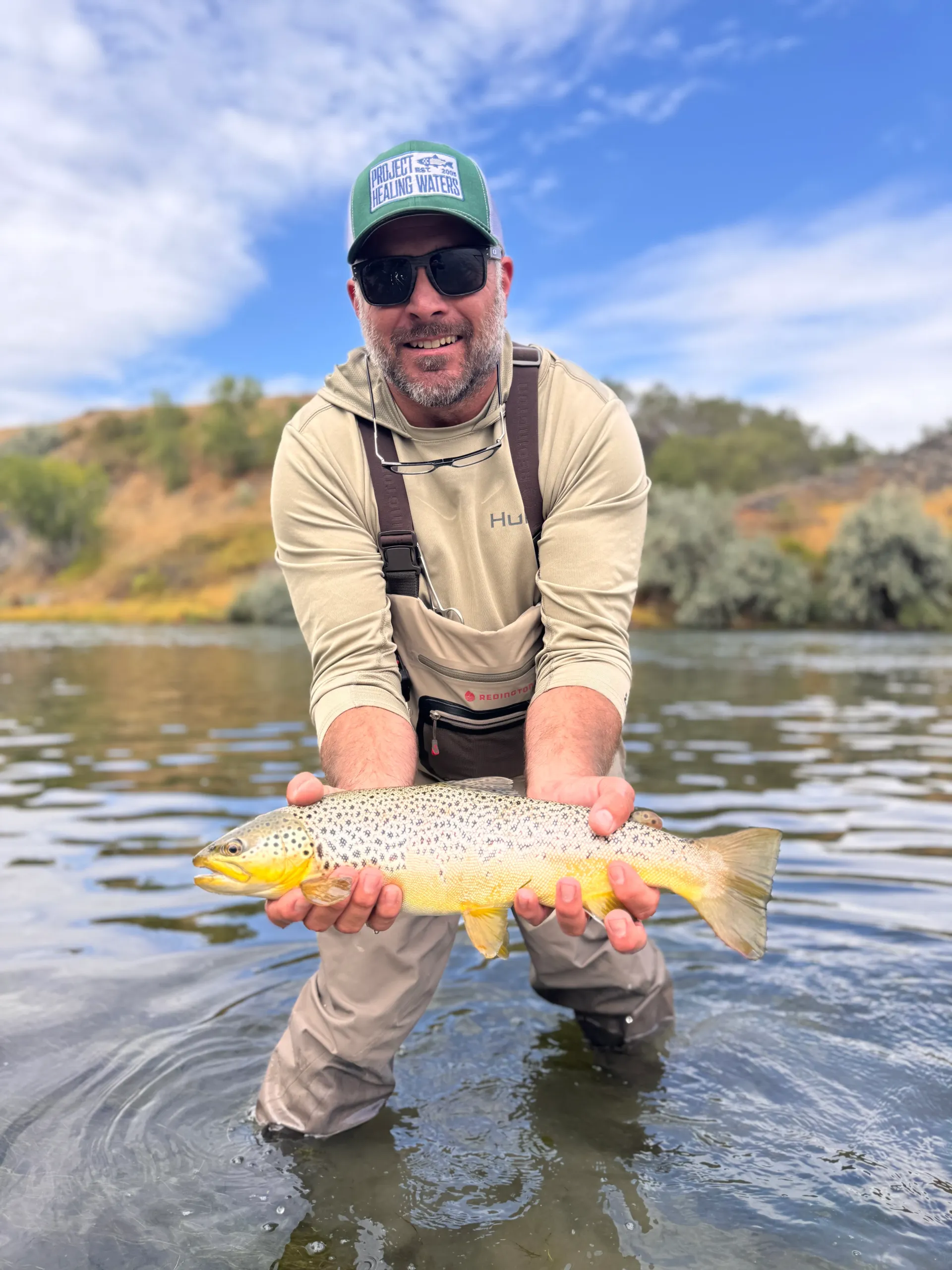
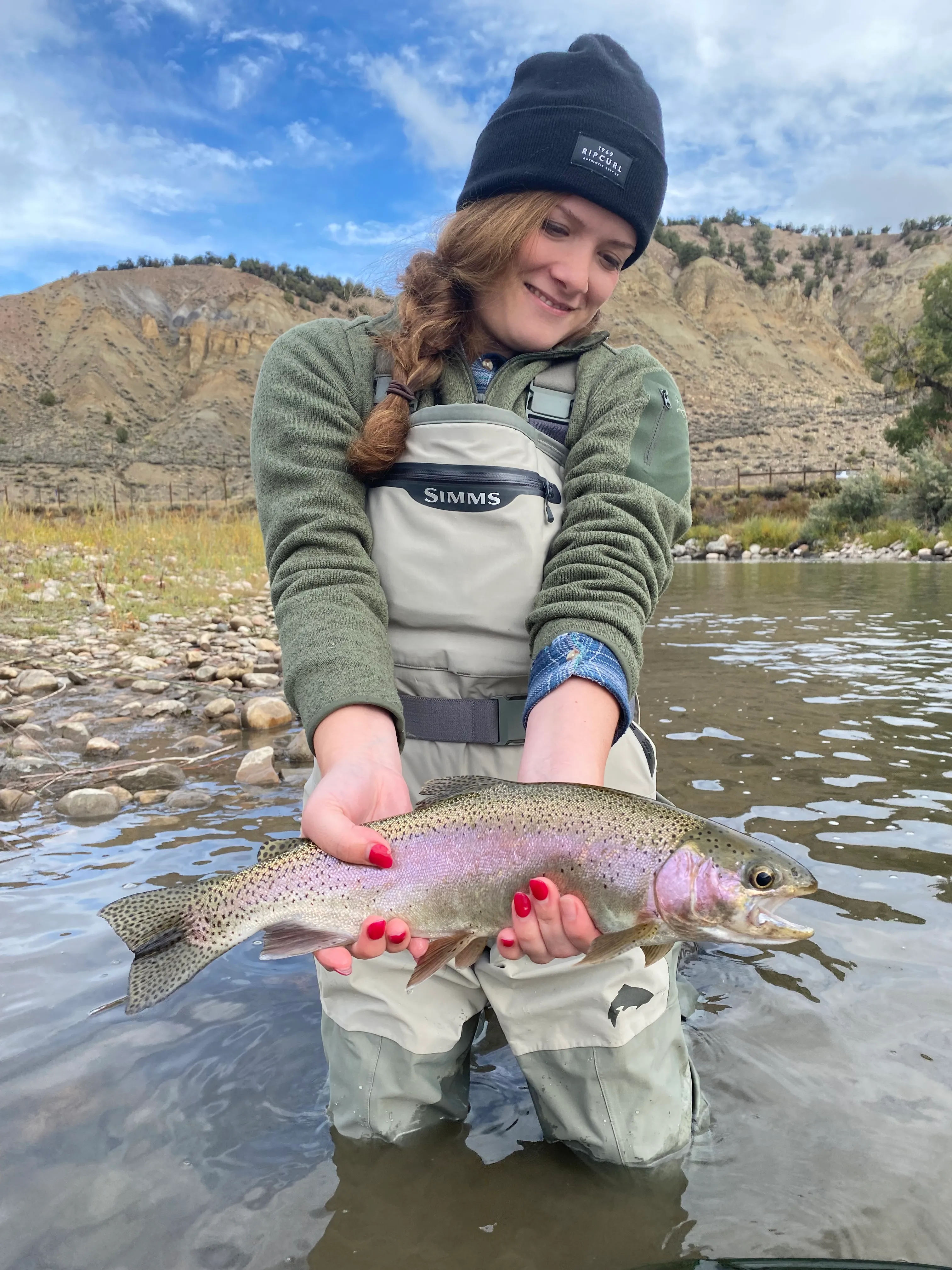
Brook trout become a popular target as Maine's waters get cooler in fall. As the temperature drops, they move into new areas to feed and prepare to spawn. This makes fall an important time for Maine trout fishing, especially in rivers and streams with the right water conditions.
Behavior
Cooler water can push brook trout out of deeper lake areas and toward gravel-bottom streams and smaller rivers. These areas can provide the conditions trout need as they prepare to spawn. Anglers should pay attention to water temperature because trout movement often increases as summer heat fades.
Tactics and Gear
- Size 14 to 18 Blue Winged Olives: Good choices on warm afternoons when trout are feeding on small insects.
- Caddis patterns: Useful when caddis are active around the water.
- Size 6 to 10 Woolly Buggers: A good option when trout are looking for larger food.
- Muddler Minnows: Can work well when trout are chasing baitfish.
- Orange, yellow, and black streamers: These colors can attract aggressive trout during fall.
- Size 1 or 2 Mepps Aglia: Small copper spinners can be used where fishing rules allow them.
Practical Point
Start with dry flies when insects are active near the surface, especially during warmer parts of the afternoon. If trout are holding deeper or chasing larger food, switch to a streamer. Always check the rules for the specific water before using conventional tackle or keeping fish.
2. Landlocked Salmon
Landlocked salmon become more active as fall arrives. Shorter days and changing river flows can cause them to move toward river mouths and then upstream into faster water. Knowing these movements can help anglers find them.
Seasonal Behavior
As daylight gets shorter, landlocked salmon often gather near river mouths before moving upstream. They look for moving water where they can feed and travel. During this time, deep pools and areas where fast and slow water meet can be good places to look for them.
Key Maine Waters
Several Maine rivers are known for landlocked salmon fishing during the fall:
- Roach River: A popular fall waterway where salmon move between the river and Moosehead Lake.
- Moose River: Look for salmon in areas with moving water and deeper holding spots.
- West Branch of the Penobscot River below Ripogenus Dam: The moving water below the dam provides areas where salmon can hold and feed.
- East Outlet of the Kennebec River: Deeper pools and current areas can attract salmon during their fall movement.
Fall Techniques
Different presentations can work as salmon move through changing fall conditions. The key is to match the fly and retrieve to where the fish are holding. If salmon are active and willing to chase, streamers can cover more water. When they stay deeper, nymphing can keep the fly closer to them.
- Grey Ghost: Cast this streamer across the current and let it move through the water like a small baitfish.
- Supervisor: Swing this streamer through moving water where salmon are holding.
- Green Beauty: Use this streamer to cover deeper and faster sections of the river.
- Egg patterns: Fish these near the bottom of deeper pools when salmon are feeding low in the water.
- Size 14 San Juan Worms: Use this nymph when salmon are holding below the surface.
- Deep gravel pools: Work your fly slowly through these areas where salmon can rest and feed.
- Current seams: Focus on places where fast water meets slower water, as salmon may hold there while waiting for food.
3. Smallmouth Bass
Smallmouth bass can stay active during the early part of fall, especially when the water is still warm. As temperatures drop, their behavior changes. Anglers need to adjust where they fish and how they move their lures.
September Behavior
September can still offer active Maine Smallmouth Bass Fishing. When the water is warm, smallmouth bass may feed around rocky flats and other areas where food is easy to find. Faster-moving lures can work well when bass are actively chasing bait.
October Transition
As water temperatures approach and fall below 55°F, smallmouth bass become less active. Their metabolism slows, and they begin moving toward deeper areas where they can spend the winter. Look for bass around deeper holes, especially areas about 15 to 25+ feet deep.
Changing Tactics
Fall bass fishing often requires a slower approach as the water cools. In early fall, bass may respond to faster presentations and surface plugs around rocky structure. Later in the season, try:
- Ned Rigs: Move them slowly along the bottom to reach less active bass.
- Football jigs: Drag these across rocky bottom areas where bass may be holding.
- Heavy tube baits: Work them slowly through deeper water and around bottom structure.
4. Striped Bass
Striped bass can offer exciting saltwater fishing as Maine moves into fall. As northern waters cool, striped bass begin moving south and feeding heavily on baitfish. This seasonal movement creates good opportunities around rivers, flats, and areas with strong current.
The Fall Run
In autumn, striped bass move toward deeper waters farther south as northern temperatures drop. During this trip, they feed heavily on baitfish and may gather where food is easy to find. This makes current, river mouths, and bait activity important clues for anglers.
Productive Areas
Look for striped bass around:
- Kennebec River: River currents and nearby baitfish can attract feeding stripers.
- Sheepscot River: The river mouth can provide areas where striped bass find moving bait.
- Saco River: Current and bait movement can make the area worth watching.
- Casco Bay flats: Shallow flats can hold striped bass when baitfish are present.
2026 Regulations: Current Maine DMR regulations allow anglers to keep 1 striped bass per day, with a harvest size of 28 inches to 31 inches inclusive in total length. When using bait, anglers must use a non-offset circle hook. Regulations can change, so check the current rules for the exact fishing area and date before heading out.
Maine Fishing in September: The Bridge Between Summer and Fall
Maine Fishing in September sits between late summer and the colder fall season. Early in the month, river temperatures can still reach around 64°F to 68°F, keeping smallmouth bass active and creating opportunities for topwater fishing. Late-season striped bass activity can also continue in coastal waters. As September progresses, cooler nights begin lowering water temperatures and changing fish behavior. Trout and landlocked salmon start moving toward rivers and tributaries as they prepare for fall spawning. This makes September a month when anglers may need both warmwater and coldwater gear, adjusting their flies, lures, locations, and presentation as conditions change.
Maine Fishing in October: The Shift Toward Coldwater Fishing
October marks a stronger shift toward coldwater fishing in Maine. Repeated overnight frosts can push river temperatures into the 40s°F, creating conditions that favor brook trout and landlocked salmon. As these waters cool, coldwater river systems become increasingly important for anglers targeting trout and salmon. Maine Fishing in October also requires closer attention to seasonal regulations. Many standard lakes have closures or restrictions beginning around September 30, while some river stretches may follow catch-and-release or artificial-lures-only rules. Regulations can differ between waterbodies, so anglers should check the current rules for their specific fishing location before heading out. Understanding these changes helps anglers choose appropriate waters, techniques, and gear for the later part of the fall season.
Fall Fly Fishing in Maine: Matching the Setup to Conditions
Fall Fly Fishing Maine requires anglers to adjust their setup as water temperatures and fish behavior change. Carrying two line options makes it easier to cover different depths.
- Floating line: Best for dry flies during mid-day insect activity, including BWO and Caddis patterns.
- Sink-tip line: Useful for deeper presentations with streamers, egg patterns, and San Juan Worms.
- 7-weight fly rod: A good choice for swinging larger streamers.
- Medium-action spinning rod: Useful when switching to jerkbaits.
On the Kennebec River, varied structure allows anglers to change presentations as conditions shift. Dry flies can work when insects bring fish to the surface, while deeper streamer or nymph presentations make more sense when fish hold lower in the water. The goal is simple: match the line, fly, and depth to where the fish are feeding.
Five Conditions That Matter Most During Fall Fishing
Fall fishing can change quickly as water temperatures, river levels, weather, and forage shift throughout the day. Paying attention to these conditions gives anglers a better idea of where fish may hold and which presentation to use. Five factors deserve particular attention:
- Water Temperature: The 50°F to 55°F range can mark an important transition for trout, salmon, and bass. As temperatures fall, fish change where they hold and how actively they feed.
- River Flow: Watch CFS readings from USGS gauges to understand changing river conditions. Higher flows can open migration routes and change holding water, while lower flows may concentrate fish in deeper pools.
- Weather: Overcast skies can reduce shadows and encourage some fish to move into shallower feeding areas. However, cloud cover does not guarantee better fishing, so consider the full weather pattern.
- Bait and Forage: Look for smelt, alewives, and late-season insect hatches. Predatory fish often stay close to areas where their preferred forage is concentrated.
- Time of Day: Fall fishing does not always require a pre-dawn start. 10:00 AM to 3:00 PM can be productive when sunlight warms the water, although conditions can shift this window.
Planning a Fall Fishing Trip With Maple Pond OutdoorsPlanning a Fall Fishing Trip With Maple Pond Outdoors
Fall fishing in Maine requires close attention to changing conditions. A professional Maine Fishing Guide can track dam release flows, river conditions, water temperatures, seasonal regulations, fish migration, weather, and target species to adjust the day's plan. This matters even more in September and October, when conditions can change within a short period.
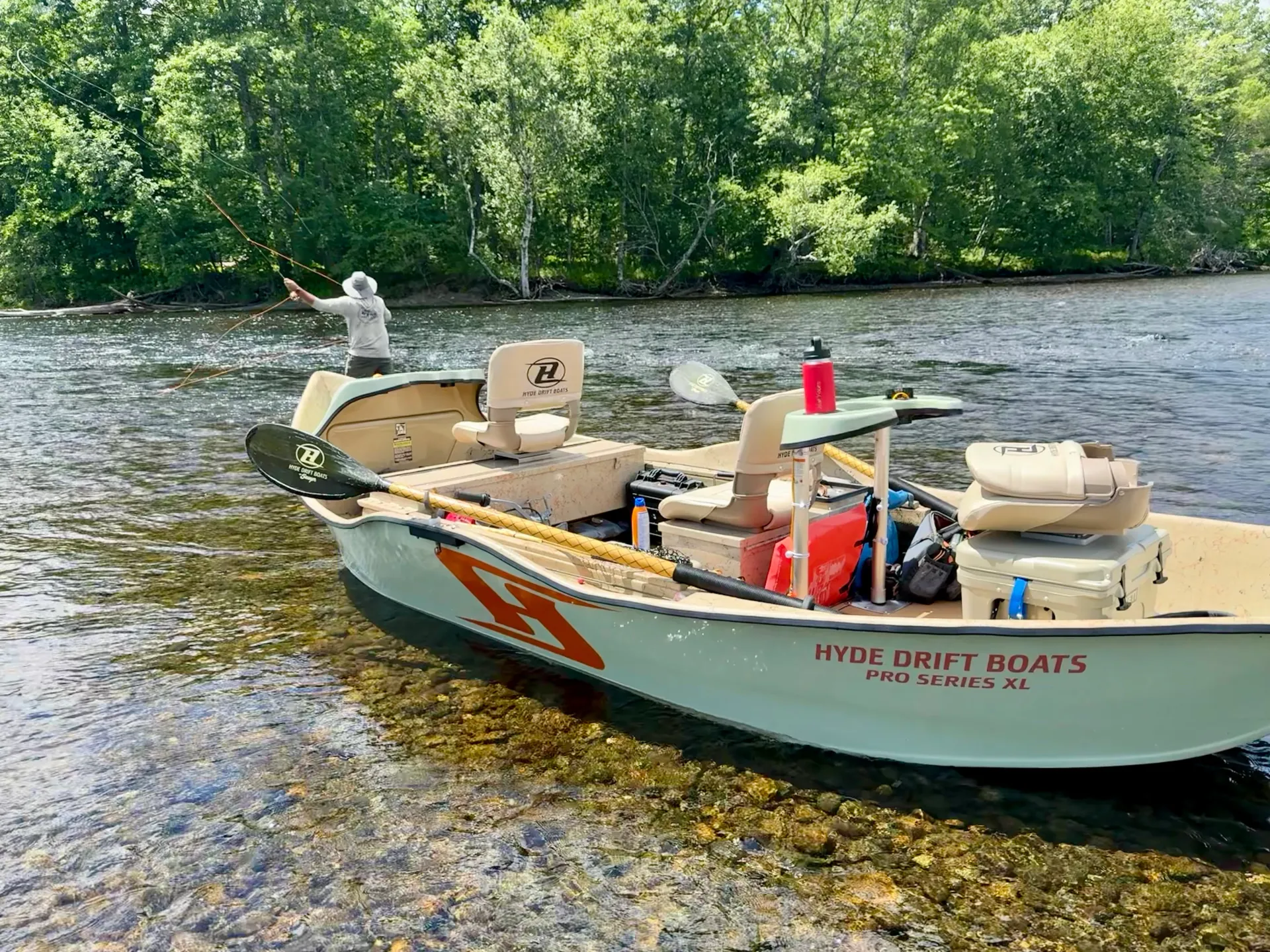
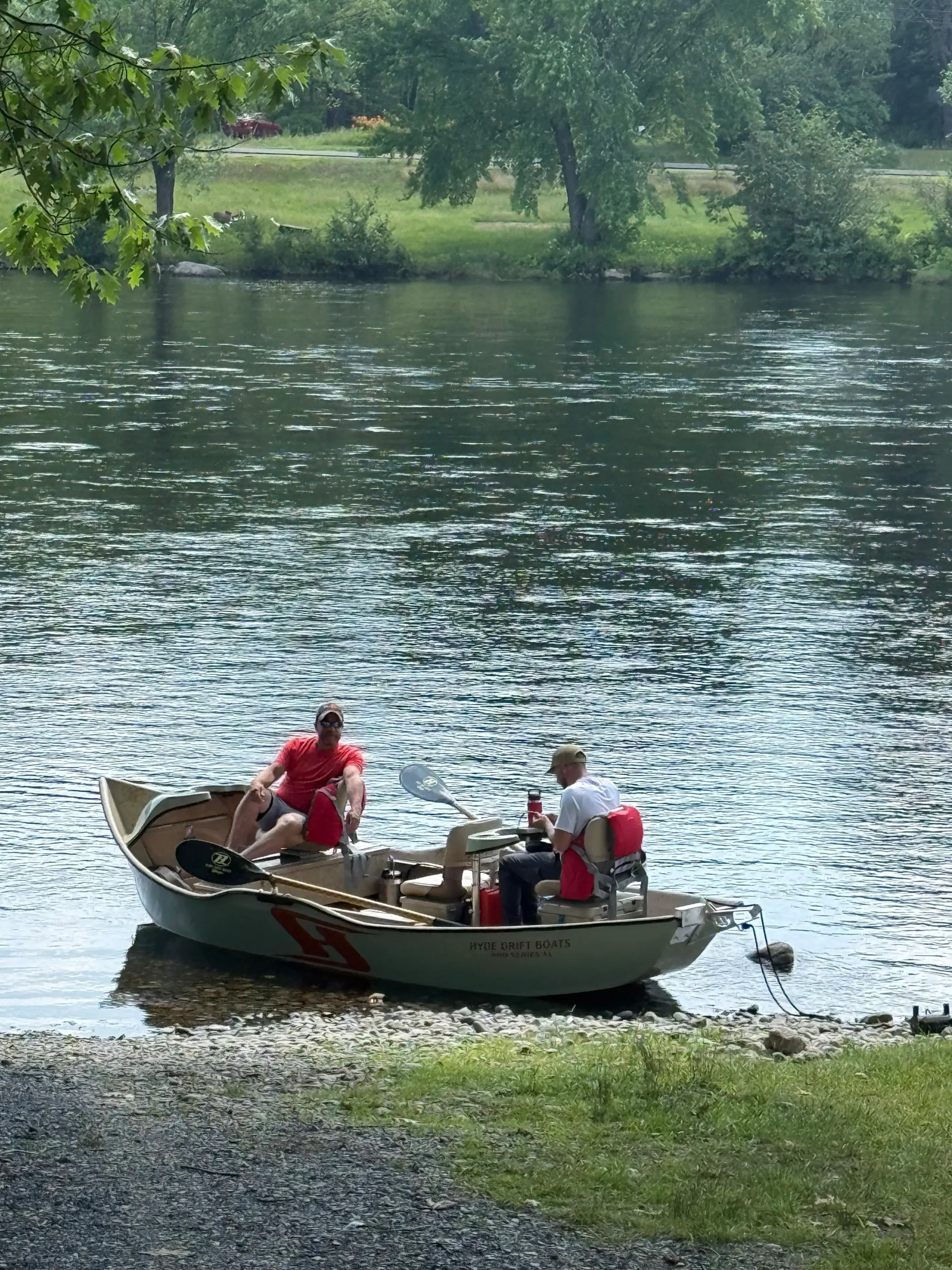
Maple Pond Outdoors uses specialized drift boats to reach remote, fast-moving sections of the Kennebec River system and follows migrating striped bass across Casco Bay. Having the right equipment and technique for the conditions can make a significant difference. Depending on the water and fish activity, anglers may switch between streamer fishing, nymphing, jigging, or other presentations. Local knowledge also helps determine when to change depth, location, or technique as river flows and fish behavior shift throughout the day.
Conclusion
Fall fishing in Maine changes quickly from September through October. Early fall can still offer active smallmouth bass and striped bass fishing, while cooling water gradually shifts attention toward brook trout and landlocked salmon. Water temperature, river flow, weather, forage, and time of day all influence where fish hold and which techniques work best. Seasonal regulations also become increasingly important as some waters close or move to more restrictive rules. Rather than following one fixed pattern, anglers should adjust their approach to the conditions on the water. For anglers planning a guided trip during this seasonal transition, Maple Pond Outdoors can help put the right strategy, equipment, and local knowledge to work. Book your fall fishing trip and experience Maine on the water.
FAQs
1. What fish can you catch in Maine during the fall?
Brook trout, landlocked salmon, smallmouth bass, and striped bass are among the key species available during Maine's fall fishing season. The best target depends on the location, water conditions, timing, and current regulations.
2. Is September a good month for fishing in Maine?
Yes. September can offer a mix of late-summer and early-fall fishing. Smallmouth bass and striped bass can remain active while cooling water begins increasing trout and landlocked salmon opportunities.
3. What fish are best to target in Maine in October?
October generally shifts more attention toward coldwater species such as brook trout and landlocked salmon. However, opportunities vary by waterbody, conditions, and seasonal regulations.
4. Where do brook trout go in Maine during the fall?
As water temperatures cool, brook trout can move from deeper lake areas toward tributaries and suitable gravel-bottomed areas associated with fall spawning activity.
5. What flies work for fall trout fishing in Maine?
BWO and Caddis patterns can work during insect activity, while streamers, egg patterns, and San Juan Worms can be useful when trout are holding deeper or responding to other food sources.
6. Can you still catch smallmouth bass in Maine in October?
Smallmouth bass can remain available in October, but their activity generally slows as water temperatures drop. They may move toward deeper areas, where slower presentations such as Ned Rigs, football jigs, and tube baits can be effective.
7. Where can you find landlocked salmon in Maine during fall?
Fall opportunities can include waters such as the Roach River, Moose River, West Branch of the Penobscot River below Ripogenus Dam, and East Outlet of the Kennebec River.
8. Is fall a good time for striped bass fishing in Maine?
Fall can provide striped bass opportunities as fish migrate south and feed on moving baitfish. River mouths, current zones, flats, and areas with concentrated forage can be productive, subject to current regulations.
9. What water conditions matter most for fall fishing in Maine?
Water temperature, river flow, weather, forage, and time of day all matter. The 50°F to 55°F range can mark an important transition as trout, salmon, and bass respond to cooling water.
10. Do I need a Maine Fishing Guide for fall fishing?
A guide can provide local knowledge about river conditions, dam releases, seasonal regulations, fish movements, equipment, and changing techniques. This can be particularly useful during September and October when conditions can shift quickly.