%2Ffit-in%2F250x250%2Fusers%2F210aac66-5381-45ff-9ac6-60810b6ba1f0%2Fimages%2F8496987e-aa09-424a-b573-108b493b95e8.jpg&w=1920&q=100)
/users/210aac66-5381-45ff-9ac6-60810b6ba1f0/ratecard/chatgptimagejun30202611_23_42am-mr03hmrw.png)
%2F300x300%2Fusers%2F210aac66-5381-45ff-9ac6-60810b6ba1f0%2Fratecard%2Fchatgptimagejun30202611_23_42am-mr03hmrw.png&w=256&q=75)
%2F300x300%2Fusers%2F210aac66-5381-45ff-9ac6-60810b6ba1f0%2Fimages%2Fbrown-trout-south-portland-fishing-2681.jpeg&w=256&q=75)
%2F300x300%2Fusers%2F210aac66-5381-45ff-9ac6-60810b6ba1f0%2Fimages%2Ffishing-guide-south-portland-waters-2588.jpeg&w=256&q=75)
%2F300x300%2Fusers%2F210aac66-5381-45ff-9ac6-60810b6ba1f0%2Fimages%2Fstriped-bass-south-portland-fishing-2676.jpeg&w=256&q=75)
%2F300x300%2Fusers%2F210aac66-5381-45ff-9ac6-60810b6ba1f0%2Fimages%2Fsouth-portland-fishing-guide-ready-2541.jpg&w=256&q=75)
%2F300x300%2Fusers%2F210aac66-5381-45ff-9ac6-60810b6ba1f0%2Fimages%2Fsouth-portland-fishing-guide-ready-2527.jpg&w=256&q=75)
%2F300x300%2Fusers%2F210aac66-5381-45ff-9ac6-60810b6ba1f0%2Fimages%2Fsouth-portland-fishing-guide-ready-2614.jpg&w=256&q=75)
%2F300x300%2Fusers%2F210aac66-5381-45ff-9ac6-60810b6ba1f0%2Fimages%2Fsouth-portland-fishing-guide-ready-2526.jpg&w=256&q=75)
%2F300x300%2Fusers%2F210aac66-5381-45ff-9ac6-60810b6ba1f0%2Fimages%2Fsouth-portland-fishing-guide-ready-2551.jpg&w=256&q=75)
%2F300x300%2Fusers%2F210aac66-5381-45ff-9ac6-60810b6ba1f0%2Fimages%2Ffishing-boat-south-portland-maine-2542.png&w=256&q=75)
%2F300x300%2Fusers%2F210aac66-5381-45ff-9ac6-60810b6ba1f0%2Fimages%2Frainbow-trout-south-portland-maine-2685.jpeg&w=256&q=75)
Kennebec River Drift Fishing Maple Pond Outdoors
 Maine
MaineWhat you will be catching:
 Brook Trout
 Brown Trout
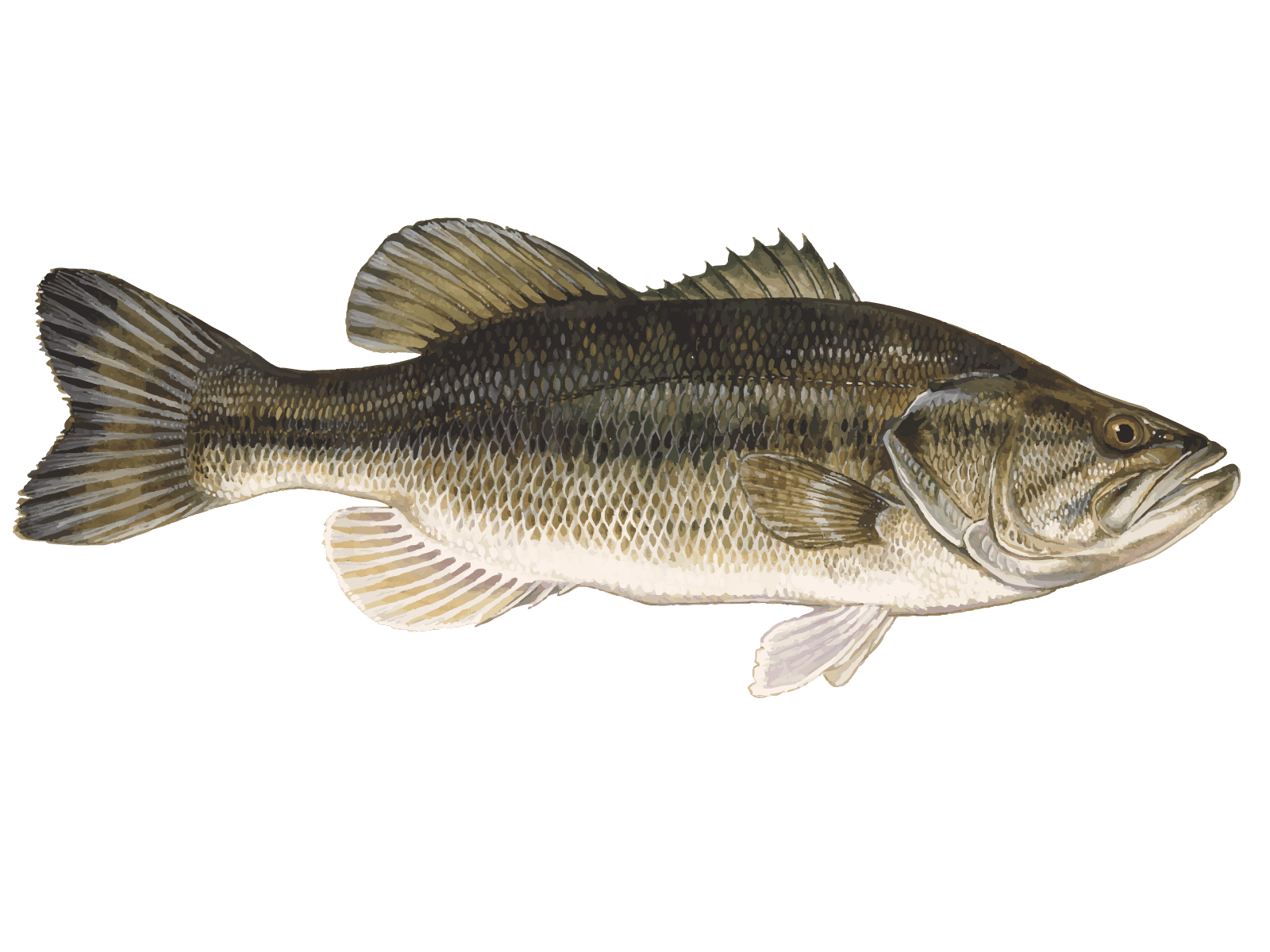
 Largemouth Bass
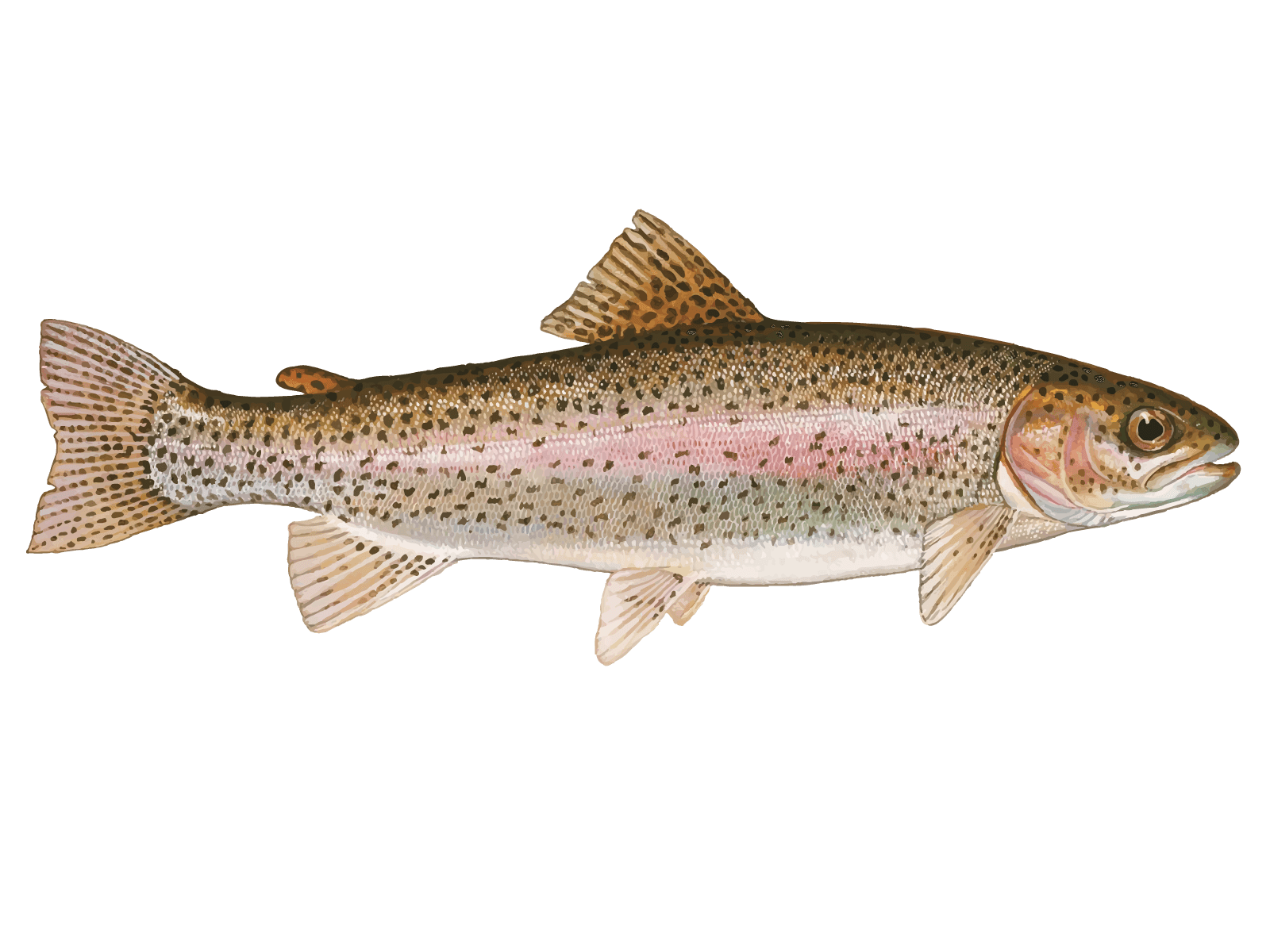
 Rainbow Trout
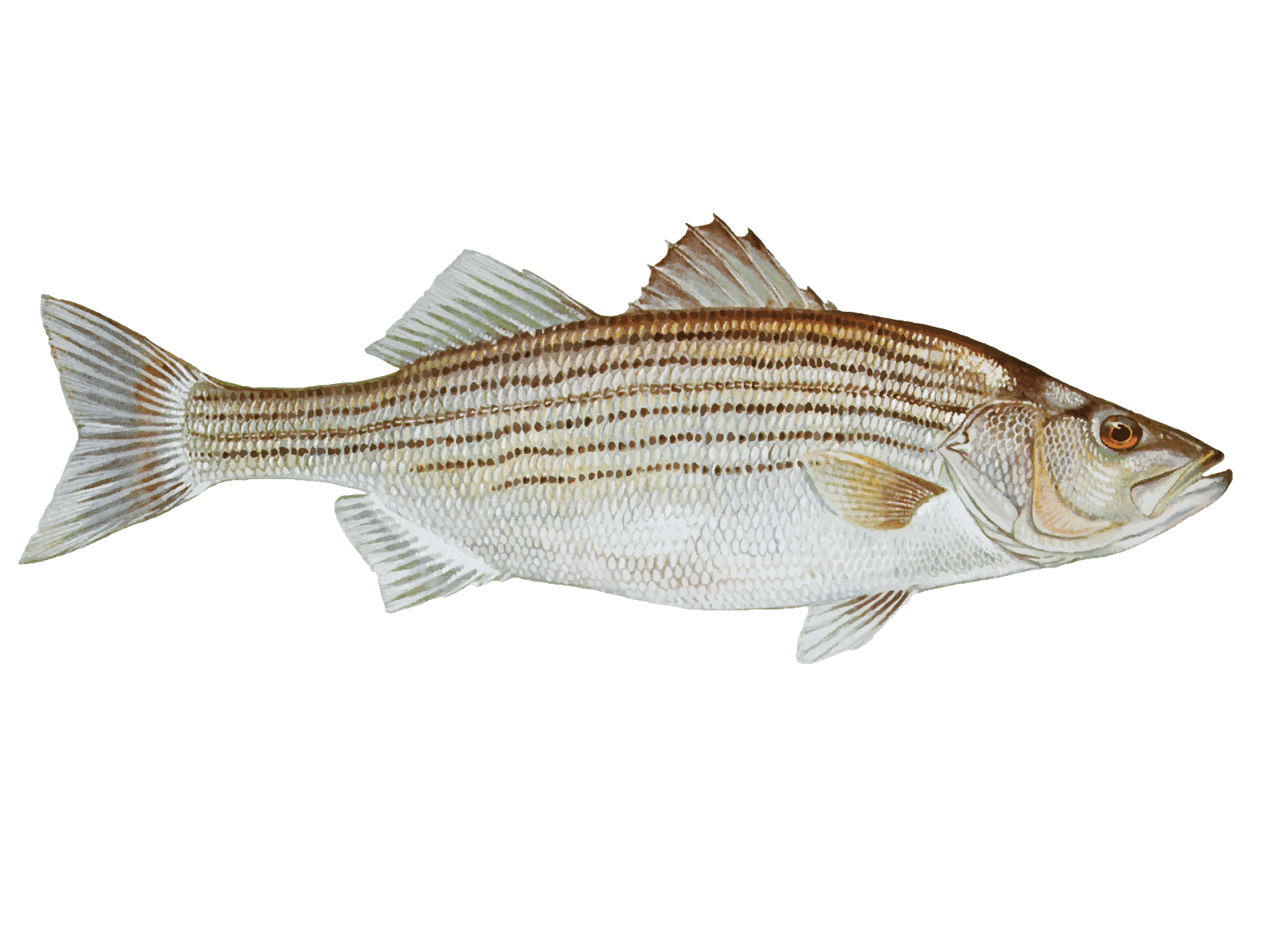
 Striped Bass
- Full-day guided drift fishing for trout, salmon, and bass
- Accommodates 2 anglers with fly fishing or spin casting options
- $550 private trip includes lunch and professional instruction
Trip Pricing and Availabilities:
6 Hour Kennebec River Drift Fishing
Looking for a top-rated river fishing experience that puts you right where the action is? This 6-hour drift fishing adventure on Maine's renowned Kennebec River delivers exactly that. You'll spend the day floating productive freshwater stretches in a comfortable drift boat with guide Mark Root, targeting everything from feisty trout to hard-fighting landlocked salmon. Whether you're brand new to fly fishing or you've been working rivers for years, this trip adapts to your skill level and keeps you focused on what matters most – getting fish to the net. At $550 for up to 2 guests, it's a private experience that lets you fish at your own pace without crowded conditions.
What to Expect on the Water
Your day starts with Mark meeting you at the put-in, where he'll get the drift boat rigged and talk through the game plan based on current river conditions. The Kennebec moves at a perfect pace for drift fishing – fast enough to cover water efficiently, but controlled enough to work prime spots thoroughly. You'll be fishing from a stable platform that positions you perfectly for both fly fishing and spin casting, depending on what's working best that day. Mark knows every bend, eddy, and deep run on this stretch, so you'll hit the spots where fish actually live rather than just casting blindly. The boat handles beautifully in the current, giving you clean drifts and solid hooksets when fish decide to cooperate. Lunch is included on full-day trips, so you can stay focused on fishing without worrying about meal planning.
Drift Boat Techniques
Drift fishing from a boat opens up techniques that bank anglers just can't access effectively. Mark uses controlled drifts to present your flies or lures naturally with the current, which is exactly how fish expect to see food moving downstream. For fly fishing, you'll work streamers, nymphs, and dry flies depending on what's hatching and where fish are feeding. The boat lets you cover different water columns systematically – shallow riffles for aggressive fish, deeper pools for larger specimens, and undercut banks where smart fish hold tight to cover. Spin casting works particularly well from the drift boat because you can cast upstream and let your lures work naturally back toward the boat while Mark controls your drift speed. The setup eliminates the guesswork about reading water since Mark positions you perfectly for each cast. You'll learn how different techniques work in various river conditions, making you a better angler whether you're in a boat or wading.
Species You'll Want to Hook
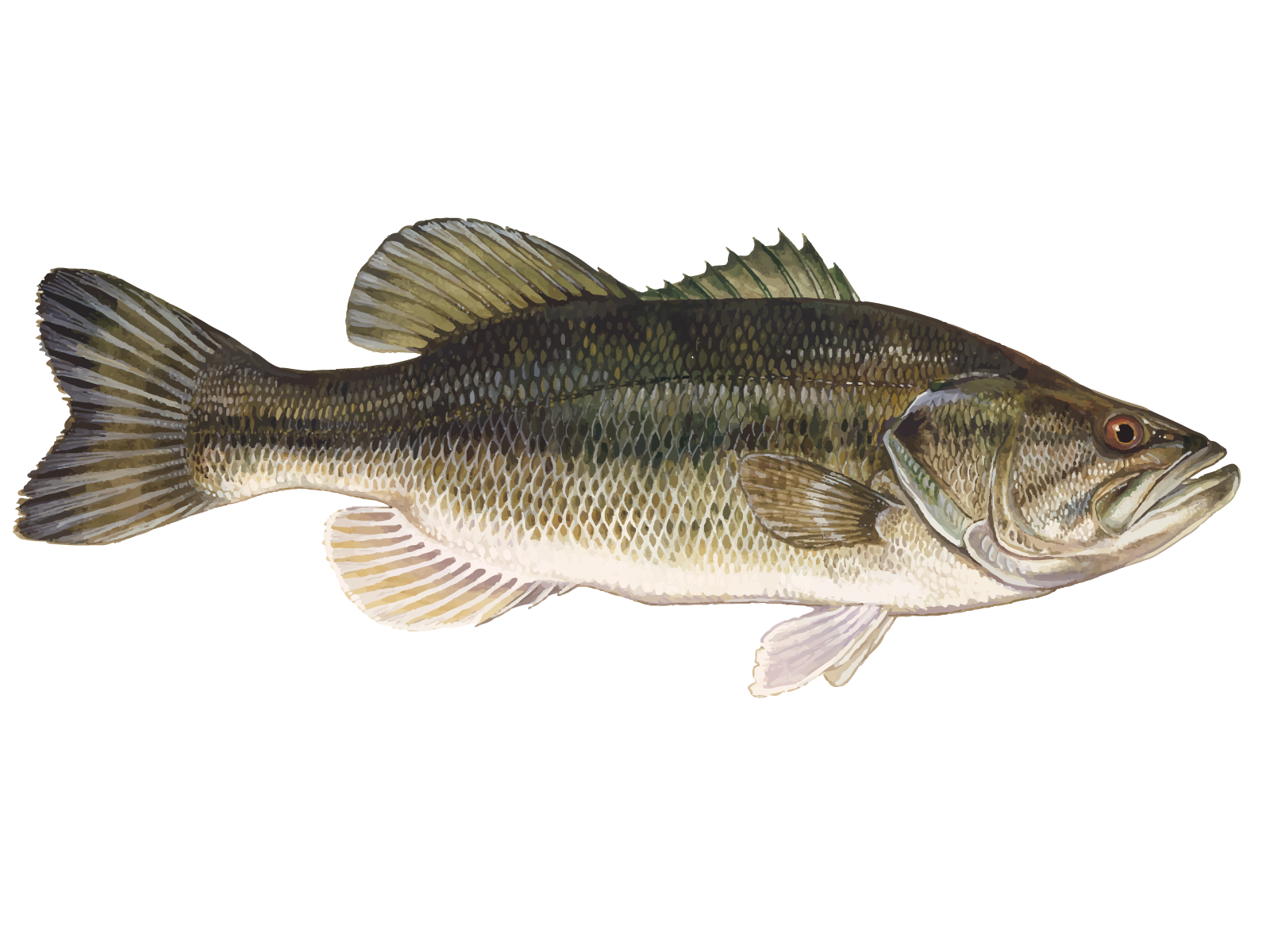
Largemouth Bass in the Kennebec are chunky, aggressive fish that love structure and current breaks. These fish average 2-4 pounds but the river holds some real tanks that push 6+ pounds, especially in the deeper pools and around fallen timber. Spring through fall produces consistent action, with peak times during early morning and late afternoon when they're actively feeding. What makes these bass special is how they fight in current – they use the river's flow to their advantage, making even smaller fish feel much bigger on the line.
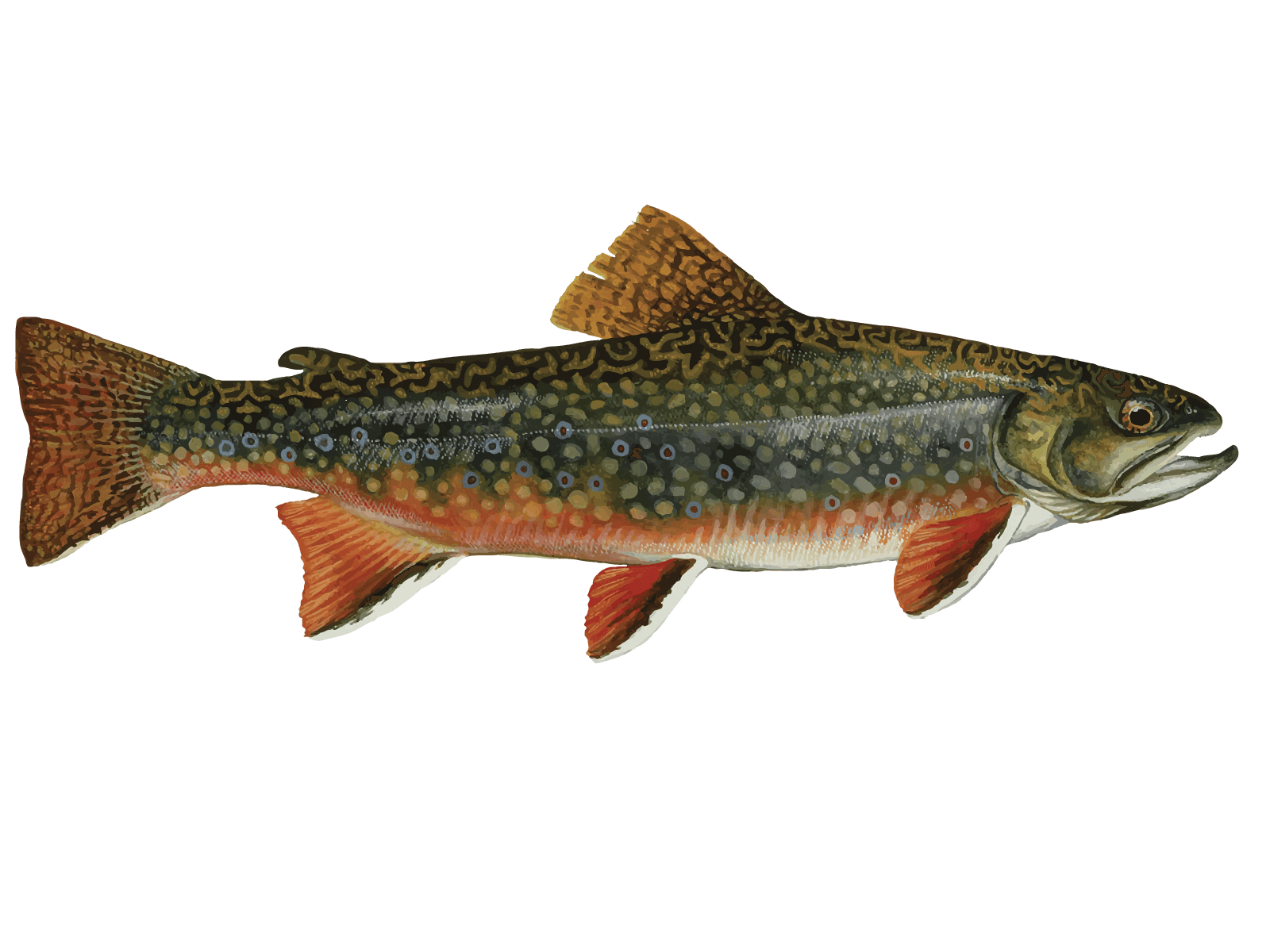
Brook Trout are the river's native jewels, sporting brilliant colors that really pop against the Kennebec's dark water. Most brookies run 8-14 inches, but the river produces some beautiful 16+ inch specimens that are absolute prizes. They're most active during cooler months and overcast days, often rising to dry flies in the quieter pools and back eddies. Brook trout have incredible survival instincts, so when you hook one, you know you've outsmarted a fish that's perfectly adapted to this environment.
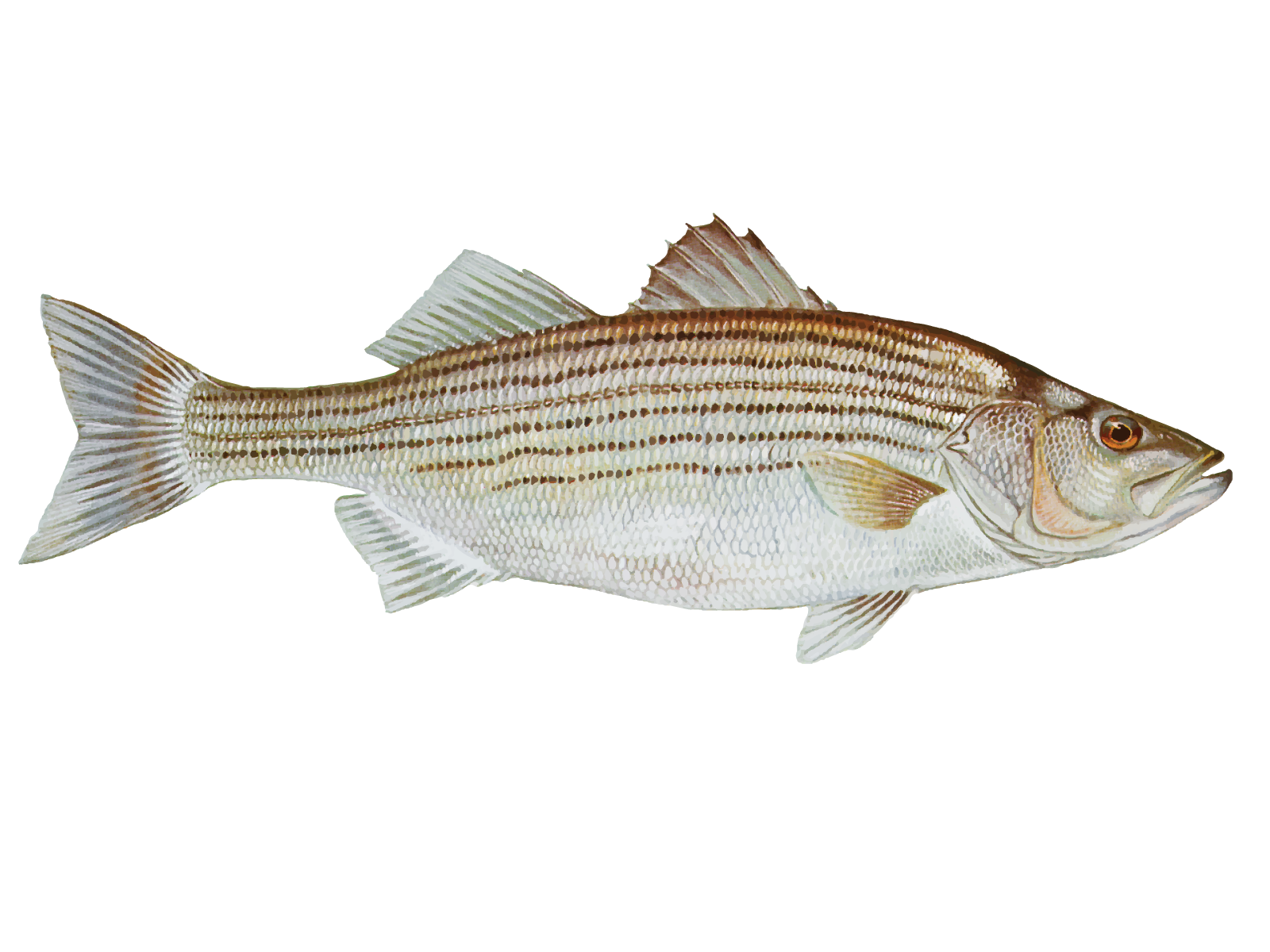
Striped Bass make seasonal runs up the Kennebec that create world-class fishing opportunities. These fish range from schoolie size up to genuine cows pushing 20-30 pounds, and they bring saltwater attitude to freshwater fishing. Late spring through early fall offers the best chances, particularly when baitfish are moving through the system. Stripers hit hard and fight even harder, making long runs that test your drag and your nerves in equal measure.
Rainbow Trout in the Kennebec are athletic fish that jump, run, and generally make your day interesting once they're hooked. They typically range 12-18 inches with occasional larger specimens, and they're active throughout the season when water temperatures are right. Rainbows love current and oxygenated water, so you'll often find them in the faster runs where they can ambush food drifting downstream. Their willingness to take both flies and lures makes them a customer favorite for mixed groups.
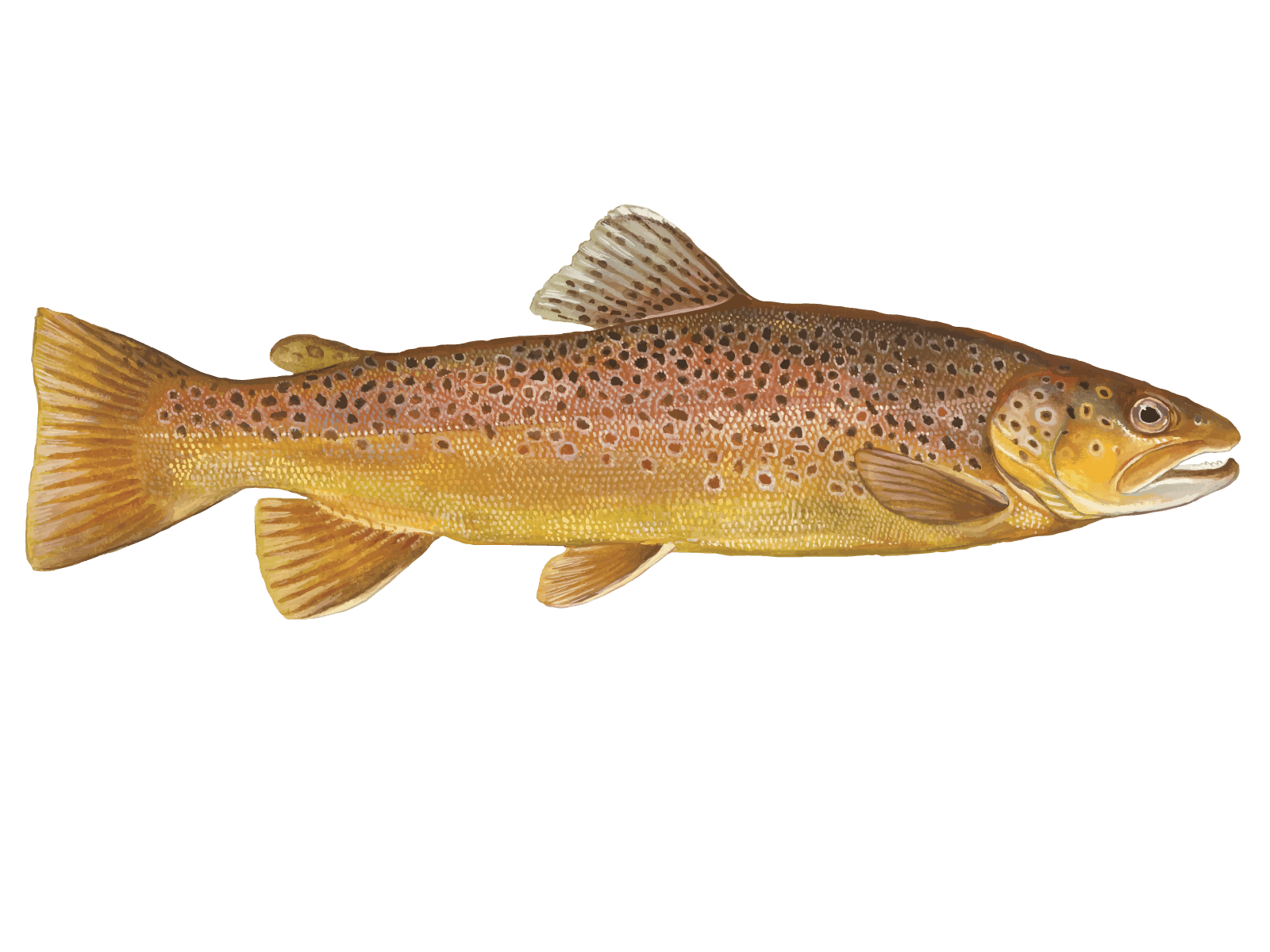
Brown Trout are the river's PhD candidates – smart, selective, and absolutely worth the effort when you connect. These fish grow large in the Kennebec, with 18-24 inch browns being realistic targets for patient anglers. They're most active during low-light periods and can be incredibly selective about presentations, but when everything comes together, browns provide some of the most satisfying catches on the river. Their tendency to hold in challenging spots near cover makes them perfect targets for drift boat fishing.
Time to Book Your Spot
This 6-hour Kennebec River drift fishing trip gives you everything needed for a memorable day on one of Maine's best fishing rivers. Mark's local knowledge combined with the drift boat's versatility means you'll fish water that produces consistently while learning techniques that work long after your trip ends. The private booking keeps things relaxed and focused on your group's interests, whether that's instruction for beginners or targeting specific species for experienced anglers. A $100 deposit secures your date, and at $550 total for up to 2 guests, it's solid value for a full day of guided fishing. The Kennebec's diverse fish population and Mark's expertise create the perfect combination for anglers ready to experience drift fishing at its finest.
Learn more about the species
Brook Trout
Brook trout are the gems of Maine's cold waters, typically ranging 8-16 inches with those beautiful wavy lines and red spots circled in blue. These native fish need pristine, cold water below 68°F, so you'll find them in the cleanest stretches of rivers and streams. They love hiding near fallen logs, undercut banks, and boulder pockets where the current creates feeding lanes. Spring and fall provide the best fishing when water temps are ideal and they're feeding heavily before winter. What draws anglers to brookies is their stunning beauty and the challenge - they're spookier than other trout and indicate truly healthy water. Plus, they're excellent eating with sweet, firm meat. They also fight harder than their size suggests. My local trick: approach quietly and cast upstream to likely spots, letting your fly or lure drift naturally with the current. Brookies spook easily, so stealth is key to success on these wary fish.
Brown Trout
Brown trout are the wary veterans of our river system, typically running 14-20 inches with golden-brown sides covered in dark spots. These European imports prefer deeper pools, undercut banks, and areas with good cover like fallen timber. They're most active during cooler months - spring and fall - and often feed at night during summer heat. What sets browns apart is their wariness and intelligence; they're the hardest trout to fool consistently. But that challenge is exactly what draws serious anglers. They fight deep and strong, using their weight and the current against you. The meat is excellent too - firm and flavorful. Browns are opportunistic predators that will take large flies, streamers, and even small fish as they mature. Here's my best advice: fish browns early or late in low-light conditions when they're less spooky. Use natural presentations and approach likely spots quietly. A well-placed streamer worked slowly along deep banks often triggers strikes from these cautious fish.
Largemouth Bass
Largemouth bass are the heavyweights of the sunfish family, typically running 12-24 inches and 1-4 pounds in our waters. You'll recognize them by that massive mouth and dark horizontal stripes along their olive-green sides. These fish love structure - fallen trees, weed beds, and rocky cover where they can ambush prey. Spring through fall offers the best action, especially early morning and evening when they're actively feeding. What makes them special is that incredible fight they put up when hooked - they'll jump, dive, and test your drag like few other freshwater fish. The meat's good eating too if you decide to keep a few. Here's a local tip: when you're drifting past submerged logs or boulder piles, cast tight to the structure and work your lure slowly. Bass often hold right in those shadows waiting to strike.
Rainbow Trout
Rainbow trout are the classic sporting fish, averaging 12-18 inches with that signature pink stripe along their silver sides. These adaptable trout thrive in our river's cooler stretches, preferring water temps between 55-65°F. You'll find them in riffles, runs, and deeper pools where they can feed on drifting insects. Spring through fall offers consistent action, with late evening and early morning being prime times. What makes rainbows special is their acrobatic fight - they'll jump, run, and put on a show like few other freshwater fish. They're also excellent table fare with pink, flaky meat that's perfect grilled or pan-fried. These fish are opportunistic feeders, taking everything from mayflies to small minnows. My best tip for the Kennebec: focus on transition zones where fast water meets slower pools. Present your fly or lure naturally with the current, matching whatever insects are hatching. A dead-drift nymph often produces when surface action is slow.
Striped Bass
Striped bass are serious freshwater fighters in the Kennebec, typically running 20-40 pounds with those distinctive dark horizontal stripes. These anadromous fish move between salt and fresh water, but our river holds them year-round near deep pools, rocky ledges, and current breaks. Spring and fall migrations bring the hottest action when they're feeding aggressively on baitfish. Summer finds them in deeper, cooler water during the day. What makes stripers special is their raw power - they'll make long, bulldogging runs that test your equipment and skills. The meat is excellent too, with firm white flesh that's perfect for grilling. These fish are structure-oriented, so look for them around bridge pilings, drop-offs, and areas where current creates feeding opportunities. Here's my go-to technique: fish live or fresh bait near the bottom around dawn and dusk when they're most active. A slow, natural presentation often outfishes flashy lures.
About the Hyde Low Profile Drift Boat
%2F%2Fusers%2F210aac66-5381-45ff-9ac6-60810b6ba1f0%2Fvehicle_picture%2Fimage2-picsart-aiimageenhancer-mr02lqbx.png&w=1920&q=75)
Vehicle Guest Capacity: 3