Kennebec River Trout Fishing: Best Times, Techniques & What to Expect

Published: November 17, 2026
The Kennebec River offers Maine anglers a chance to pursue trout in a river shaped by changing water conditions, seasonal patterns, and varied fishing water. Kennebec River Trout Fishing can look different from one day to the next, as water temperature, flow, trout behavior, and presentation all influence where and how anglers fish. Fly fishing and spin casting each offer different ways to present baits or lures, while drift boat fishing allows anglers to cover more river water during a guided trip. Knowing when to go and how to adjust your approach can make the day more productive and enjoyable. In the upcoming sections you will understand seasonal timing, practical trout fishing techniques, changing river conditions, and what anglers can expect from a guided Kennebec River fishing trip.
Understanding Kennebec River Trout Fishing
The Kennebec River offers varied water that requires anglers to pay attention to more than depth alone. Trout may respond differently depending on water temperature, current speed, available cover, and the food moving through a particular section. Reading these factors together can give anglers a clearer idea of where fish may hold.
Current can create productive areas around seams, deeper runs, and changes in river structure. Depth also matters as trout adjust their position as conditions change. Food availability can influence whether fish remain in one area or move toward another feeding opportunity. These details are important when approaching Kennebec River Fishing with a plan rather than relying on one technique throughout the day.
River conditions are not fixed. Water temperature and flow can shift with the season and throughout a fishing day, changing how trout use different sections. Paying attention to these changes allows anglers to adjust their depth, presentation, and location as the river develops.
Best Times to Fish for Trout on the Kennebec River
Trout fishing on the Kennebec River changes with the seasons as water temperature, flow, clarity, and available food shift. Rather than treating one season as the only time to fish, anglers can adjust their timing and presentation to match current river conditions. Spring, summer, and fall each bring different considerations for finding active trout.
Spring Trout Fishing
Spring brings changing flows and water temperatures, so conditions can vary from one day to the next. As the water begins to stabilize, trout may adjust where they hold and how actively they feed.
- Why It Can Be Productive: Changing conditions can create different feeding opportunities as water temperatures rise and food becomes more available.
- Best Suited For: Anglers who are prepared to monitor water clarity, flow, and temperature and adjust their approach accordingly.
- What Changes: Trout may shift from deeper or slower water toward areas with more favorable current and feeding conditions as spring progresses.
Summer Trout Fishing
Summer makes water temperature an important consideration for Maine Trout Fishing. Cooler periods can offer different conditions than the warmer middle of the day, making timing an important part of planning a trip.
- Why It Can Be Productive: Cooler water periods may provide more suitable conditions for trout activity.
- Best Suited For: Anglers who can plan around cooler parts of the day and adapt their presentation to changing conditions.
- What Changes: Trout may change their depth, location, and feeding activity as temperatures rise through the day.
Fall Trout Fishing
Fall brings cooler water and another shift in seasonal conditions. Trout behavior can change as temperatures drop, requiring anglers to reconsider where they fish and how they present their flies or lures.
- Why It Can Be Productive: Cooler conditions can change trout activity and feeding patterns.
- Best Suited For: Anglers willing to adjust location, depth, and presentation as river conditions change.
- What Changes: Trout may move between different sections of the river, making careful observation important when selecting water to fish.
Kennebec River Fly Fishing Techniques
Successful Kennebec River Fly Fishing depends on adjusting the presentation to the water and trout activity. Different fly fishing techniques allow anglers to approach surface activity, deeper water, and active fish in different ways. The following steps explain how to use each technique effectively.
Dry Fly Fishing
Dry fly fishing presents an artificial fly on the water's surface, making observation and a natural drift especially important when trout are feeding above the river bottom. Follow these steps for an effective presentation.
- Identify Surface Activity: Look for rising trout, drifting insects, or small disturbances that indicate fish are feeding near the surface.
- Select the Fly: Examine the insects present and choose a fly that reasonably matches their size and appearance.
- Position Your Cast: Cast upstream or across the current so the fly reaches the feeding area naturally without landing directly over the trout.
- Manage the Drift: Mend the line when needed to reduce drag and allow the fly to move naturally with the current.
- Adjust When Needed: If trout ignore the presentation, change the fly, casting angle, or drift before repeating the same approach.
Nymphing
Nymphing presents flies below the surface and can reach trout feeding in deeper runs, current seams, and other subsurface areas. The following steps can help create a more effective nymphing presentation.
- Find Holding Water: Start with current seams, deeper runs, and softer water where trout can feed without staying in the strongest current.
- Set the Depth: Adjust the leader, indicator, or weight so the nymph reaches the level where trout are holding.
- Make the Cast: Place the nymph upstream or above the target area, giving it enough time to reach the desired depth.
- Control the Drift: Keep the line under control while allowing the nymph to move naturally with the current.
- Adjust the Depth: If the nymph consistently passes above or below likely holding water, change the setup before moving to another location.
Streamer Fishing
Streamer fishing uses a larger moving fly to imitate baitfish or other substantial prey. It gives anglers an active way to cover different parts of the river. Use the following steps to work a streamer effectively.
- Choose Productive Water: Focus on deeper edges, banks, submerged structure, and slower pockets where trout may hold.
- Select the Streamer: Choose a streamer size and profile that suit the available prey and current conditions.
- Choose Your Casting Angle: Cast across or along the current to move the streamer through likely holding areas.
- Control the Depth: Allow the streamer to sink before beginning the retrieve when working deeper water.
- Vary the Retrieve: Experiment with strip speed, pauses, and movement to determine how trout respond.
- Repeat Productive Patterns: When a particular depth, angle, or retrieve gets a response, apply the same approach to similar water nearby.
What Makes Drift Boat Fishing on the Kennebec River Different?
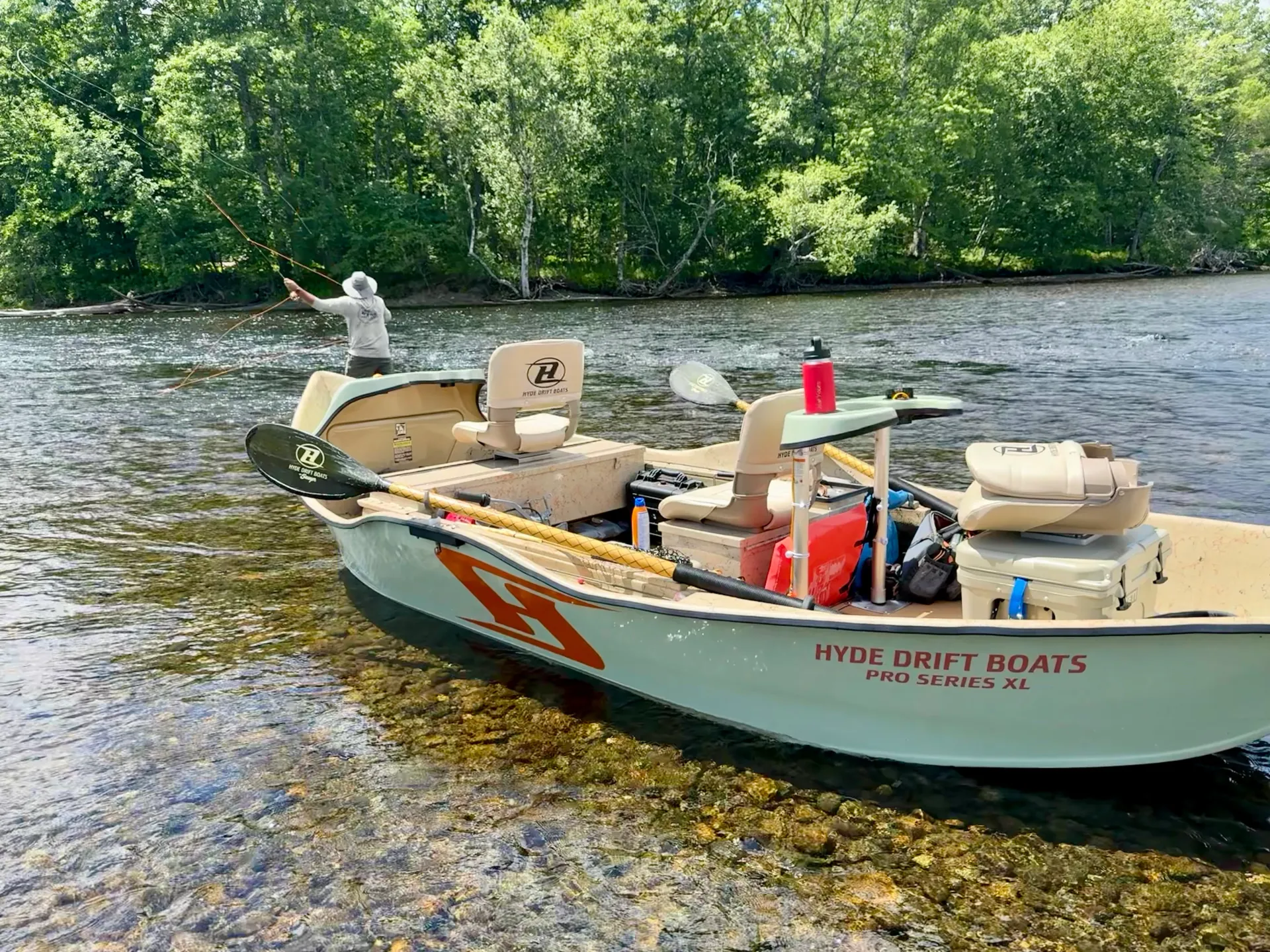
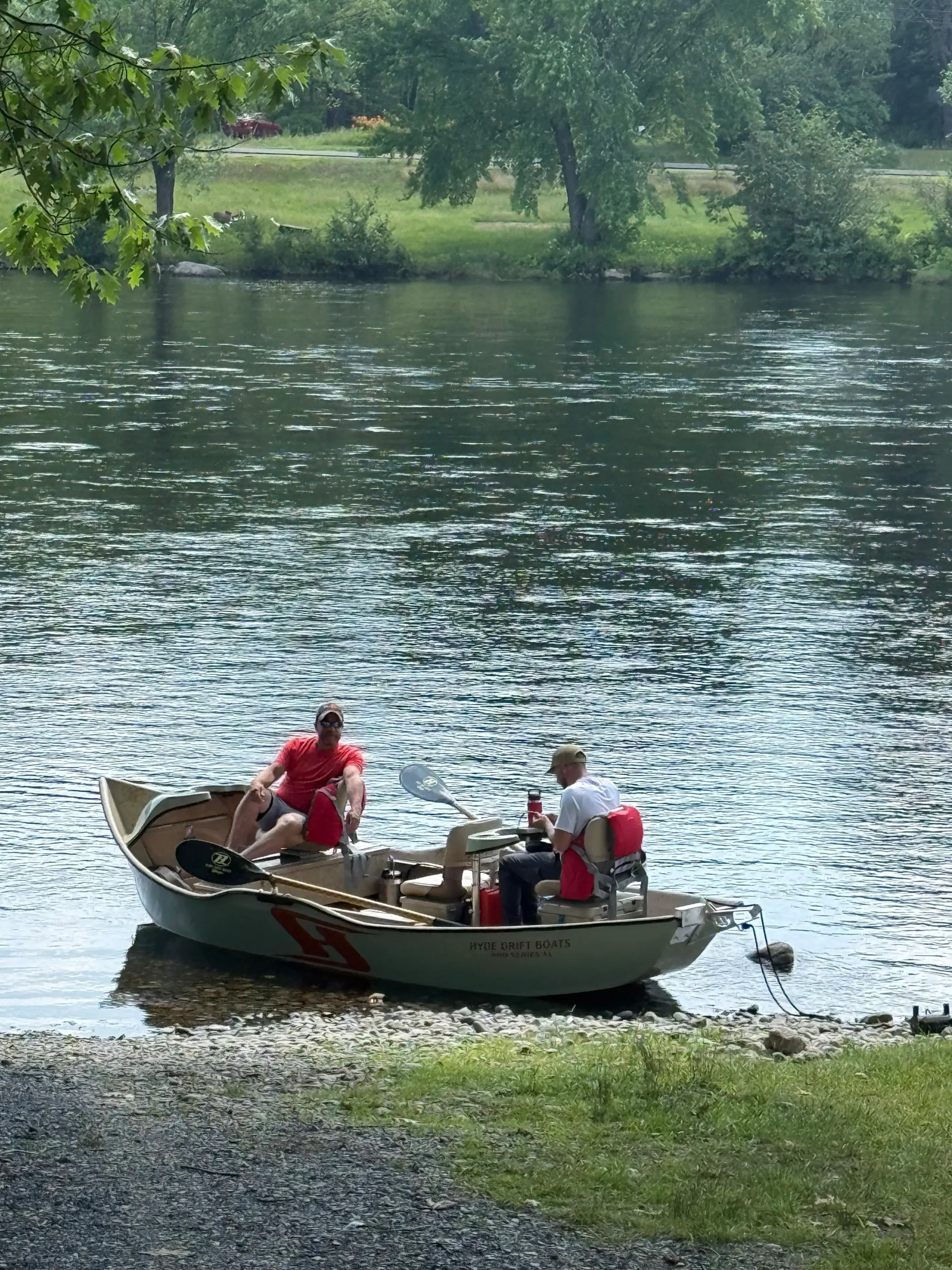
Drift Boat Fishing Kennebec River offers anglers a way to cover different stretches of water during a full-day trip without remaining in one location. Moving downstream can provide access to sections that may be difficult to fish effectively from shore, while giving anglers opportunities to work different depths, currents, and structures along the route.
A drift fishing day follows the river's conditions rather than one fixed fishing spot. The guide can adjust the route, slow or stop the boat around productive water, and change the fishing approach as conditions develop. Anglers may cast while drifting, work specific areas more carefully, and adjust their presentation before continuing downstream. This combination of movement and flexibility allows the fishing approach to change throughout the day.
What to Expect on a Guided Kennebec River Fishing Trip
A full-day guided trip gives anglers time to experience different sections of the river while receiving practical direction throughout the day. A Kennebec River Fishing Guide can adjust the approach as conditions, trout activity, and the angler's experience come into play.
- Discuss the Day Before Fishing: Review the planned trip, current conditions, preferred fishing style, and any questions before getting on the water.
- Start With the Right Approach: The guide can provide instruction based on the angler's experience, including casting, presentation, and reading the river.
- Fish Different Sections: Spend time working different stretches of river rather than staying in one area throughout the day.
- Adjust to Conditions: Change location, depth, presentation, or technique when water conditions or trout activity call for a different approach.
- Choose Your Fishing Style: Depending on the trip and conditions, anglers may have opportunities to use fly fishing or spin casting techniques.
- Stay Flexible Throughout the Day: A full-day trip allows time to observe what is happening on the river and make practical adjustments as the fishing develops.
What to Bring for a Day of Kennebec River Trout Fishing
A full day on the Kennebec River can involve changing weather and river conditions, so preparing the right personal essentials can make the trip more comfortable. Before heading out, check with the guide about what equipment is provided and what you should bring yourself.
- Weather-Appropriate Clothing
- Layered Clothing
- Polarized Sunglasses
- Sun Protection
- Drinking Water
- Personal Essentials
- Fishing Equipment
- Rain Gear
- Hat
Choosing the Right Kennebec River Trout Fishing Experience
The right approach depends on how you prefer to fish and what you want from the day. Fly fishing suits anglers who enjoy fly presentation, while spin casting offers a conventional tackle option. Drift boat fishing provides a way to cover river water while moving downstream.
Your experience level, preferred technique, trip length, and current river conditions can all influence which approach fits your plans. Anglers who want to spend a full day exploring the river can also consider a guided Kennebec River Trout Fishing trip with Maple Pond Outdoors. The full-day drift fishing experience provides time to cover different sections while adapting the fishing approach as conditions change.
Maple Pond Outdoors: A Full Day on the Kennebec River
Maple Pond Outdoors offers a full-day guided Kennebec River fishing experience designed for anglers who want time on the water and the flexibility to adjust their approach throughout the trip. The focus remains on trout fishing while responding to the river's changing conditions.
The trip provides opportunities to explore different stretches of the Kennebec River from a drift boat, with fly fishing and spin casting available based on the angler's preference and the day's conditions. Moving downstream also allows the fishing approach to change as different water, depth, and structure come into play.
For anglers planning Kennebec River Trout Fishing, a full-day trip provides enough time to settle into the river, learn from a guide, and adapt as the day develops. Maple Pond Outdoors provides local guidance and on-water instruction throughout the experience.
Conclusion
Successful trout fishing on the Kennebec River starts with understanding how seasonal conditions, water movement, trout behavior, and presentation work together. Kennebec River Trout Fishing can involve different techniques depending on the angler's experience, preferred style, and conditions on the day. Paying attention to these factors allows anglers to adjust rather than rely on one approach throughout the trip. For those unfamiliar with the river, guidance from an experienced local captain can make it easier to read the water and adapt to changing conditions. Ready to spend a full day on the Kennebec River? Book a guided drift fishing trip with Maple Pond Outdoors and plan your next trout fishing experience on the river.
FAQs
- What is the best time for Kennebec River Trout Fishing?
Spring, summer, and fall can all offer trout fishing opportunities. The best approach depends on seasonal water temperature, river flow, clarity, trout activity, and available food. - What trout can anglers target on the Kennebec River?
The specific trout available can vary by river section and conditions. Anglers should check with a local guide for current species information and seasonal opportunities. - What techniques are used for Kennebec River Trout Fishing?
Common approaches include dry fly fishing, nymphing, streamer fishing, and spin casting. The right technique depends on trout behavior, water depth, current, and feeding activity. - Is Kennebec River Fly Fishing suitable for beginners?
Yes. Beginners can learn fly fishing techniques with guidance from an experienced local guide, including casting, presentation, reading current, and adjusting depth. - What is Drift Boat Fishing Kennebec River like?
Drift boat fishing allows anglers to move downstream and fish different sections of the river. It provides opportunities to work varied depths, currents, banks, and structures during a full-day trip. - When is Maine Trout Fishing most productive?
Productivity can vary throughout the year. Spring, summer, and fall bring different water temperatures, flows, and trout behaviors, so anglers should adjust their approach to current conditions. - What should I bring for a Kennebec River fishing trip?
Personal essentials can include weather-appropriate layers, rain gear, polarized sunglasses, sun protection, drinking water, and a hat. Ask the guide what fishing equipment is provided. - Can I use spin casting instead of fly fishing on the Kennebec River?
Depending on the trip and conditions, anglers may have opportunities to use spin casting. Discuss your preferred fishing style with the guide when planning the trip. - How does a Kennebec River Fishing Guide adjust the trip?
A guide can adjust location, depth, presentation, and technique based on water conditions, trout activity, river flow, and the angler's experience throughout the day. - Can I book a full-day Kennebec River trout fishing trip?
Yes. Maple Pond Outdoors offers a full-day guided drift fishing experience on the Kennebec River, giving anglers time to explore different sections and adjust their approach as conditions change.