%2Ffit-in%2F250x250%2Fusers%2F210aac66-5381-45ff-9ac6-60810b6ba1f0%2Fimages%2F8496987e-aa09-424a-b573-108b493b95e8.jpg&w=1920&q=100)
/users/210aac66-5381-45ff-9ac6-60810b6ba1f0/ratecard/chatgptimagejun30202611_27_59am-mr03rhqz.png)
%2F300x300%2Fusers%2F210aac66-5381-45ff-9ac6-60810b6ba1f0%2Fratecard%2Fchatgptimagejun30202611_27_59am-mr03rhqz.png&w=256&q=75)
%2F300x300%2Fusers%2F210aac66-5381-45ff-9ac6-60810b6ba1f0%2Fimages%2Fbrown-trout-south-portland-fishing-2681.jpeg&w=256&q=75)
%2F300x300%2Fusers%2F210aac66-5381-45ff-9ac6-60810b6ba1f0%2Fimages%2Ffishing-guide-south-portland-waters-2588.jpeg&w=256&q=75)
%2F300x300%2Fusers%2F210aac66-5381-45ff-9ac6-60810b6ba1f0%2Fimages%2Fstriped-bass-south-portland-fishing-2676.jpeg&w=256&q=75)
%2F300x300%2Fusers%2F210aac66-5381-45ff-9ac6-60810b6ba1f0%2Fimages%2Fsouth-portland-fishing-guide-ready-2541.jpg&w=256&q=75)
%2F300x300%2Fusers%2F210aac66-5381-45ff-9ac6-60810b6ba1f0%2Fimages%2Fsouth-portland-fishing-guide-ready-2527.jpg&w=256&q=75)
%2F300x300%2Fusers%2F210aac66-5381-45ff-9ac6-60810b6ba1f0%2Fimages%2Fsouth-portland-fishing-guide-ready-2614.jpg&w=256&q=75)
%2F300x300%2Fusers%2F210aac66-5381-45ff-9ac6-60810b6ba1f0%2Fimages%2Fsouth-portland-fishing-guide-ready-2526.jpg&w=256&q=75)
%2F300x300%2Fusers%2F210aac66-5381-45ff-9ac6-60810b6ba1f0%2Fimages%2Fsouth-portland-fishing-guide-ready-2551.jpg&w=256&q=75)
%2F300x300%2Fusers%2F210aac66-5381-45ff-9ac6-60810b6ba1f0%2Fimages%2Ffishing-boat-south-portland-maine-2542.png&w=256&q=75)
%2F300x300%2Fusers%2F210aac66-5381-45ff-9ac6-60810b6ba1f0%2Fimages%2Frainbow-trout-south-portland-maine-2685.jpeg&w=256&q=75)
Androscoggin River Drift Fishing Maine Guide
 Maine
MaineWhat you will be catching:
 Brook Trout
 Brown Trout
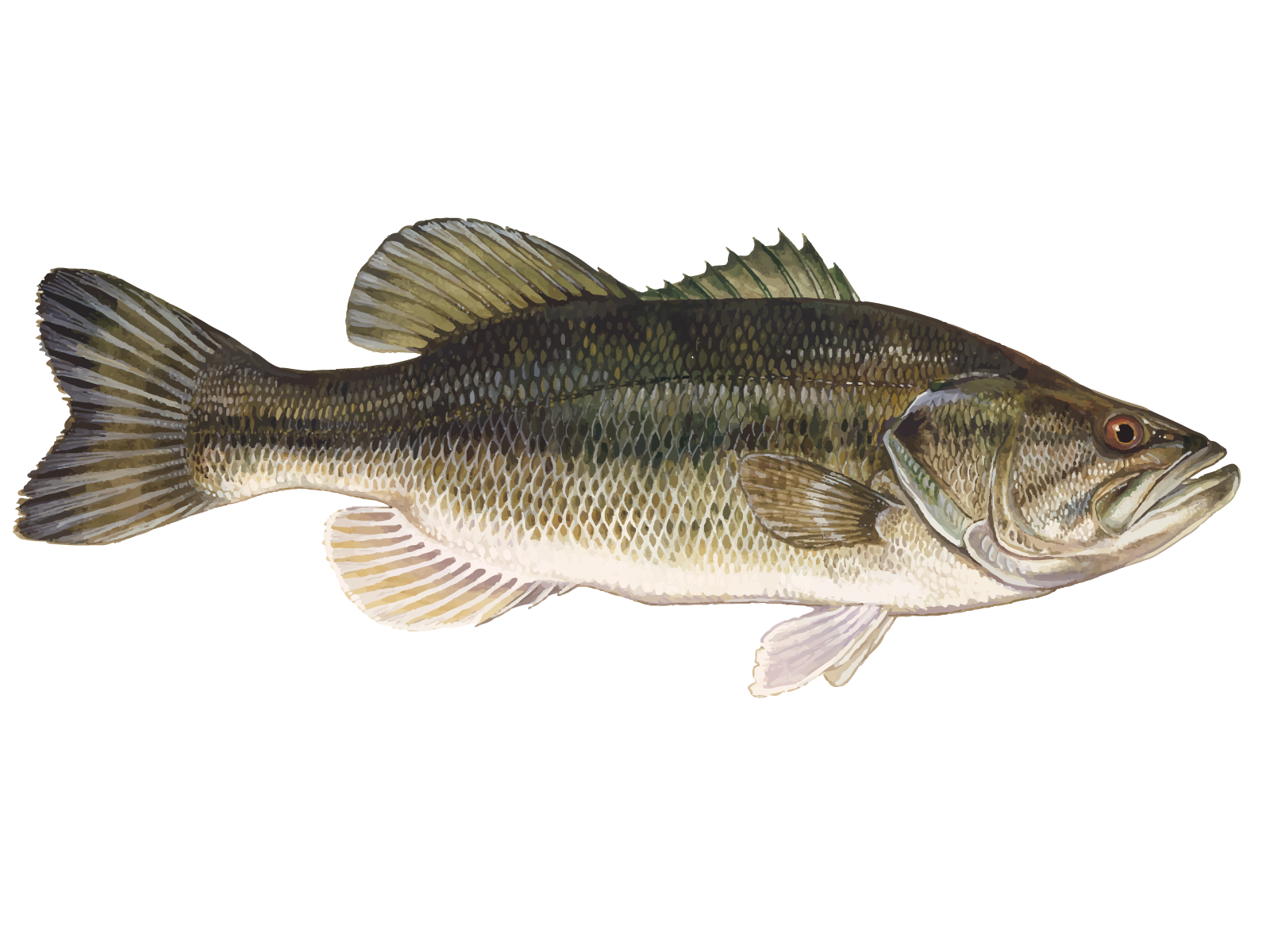 Largemouth Bass
 Rainbow Trout
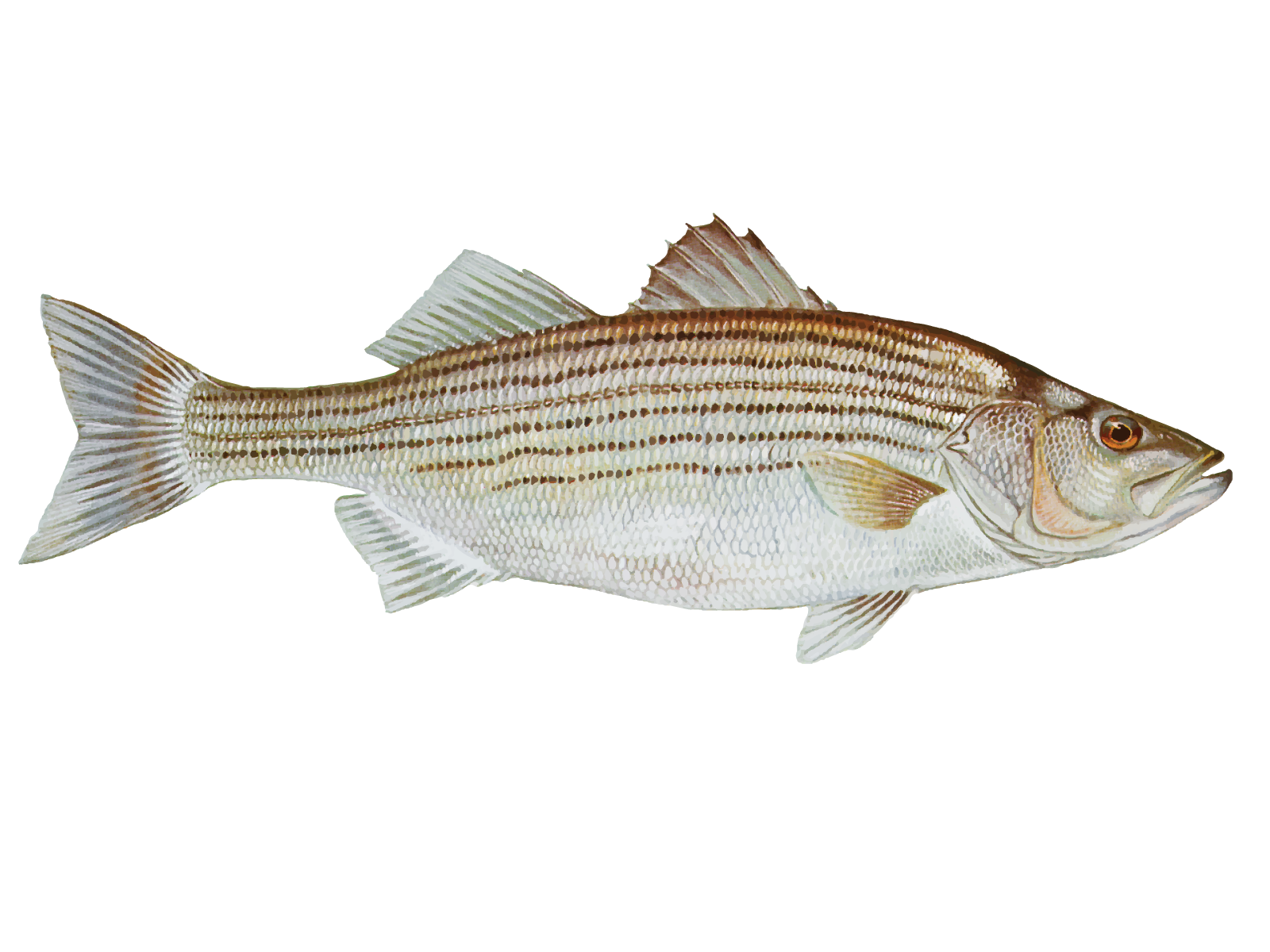 Striped Bass
- Full-day guided drift fishing on Maine's Androscoggin River
- Targets trout, salmon, and bass with personalized instruction included
- $550 private charter accommodates up to 2 anglers with lunch
Trip Pricing and Availabilities:
6 Hour Androscoggin River Drift Fishing
When you're looking for a top-rated Maine river fishing adventure that delivers both relaxation and action, this 6-hour drift fishing trip on the Androscoggin River hits all the right notes. Guide Mark Root knows these waters like the back of his hand, and he'll put you on fish whether you're a complete beginner or you've been casting lines for decades. You'll spend your day floating scenic freshwater sections in a Hyde drift boat, targeting everything from feisty brook trout to hard-fighting smallmouth bass. With lunch included and flexibility for both fly fishing and spin casting setups, this $550 private trip accommodates up to 2 guests who want quality time on one of Maine's most productive rivers.
What to Expect on the Water
Your day starts early with Mark rigging the Hyde drift boat based on current river conditions and your fishing preferences. These boats are built for Maine rivers – stable, roomy enough for casting, and designed to handle everything from gentle pools to more active water. You'll cover several miles of the Androscoggin throughout the 6 hours, with Mark reading the water and positioning you over the best holding spots. The beauty of drift fishing is that you're constantly moving through new water, so even if one section isn't producing, you're always heading toward the next promising pool or run. Mark adapts techniques throughout the day based on what's working – maybe starting with streamers in the morning and switching to dry flies during a hatch, or moving from spin casting to bottom bouncing if the trout are hugging structure. The river changes character as you float, from deeper pools where landlocked salmon cruise to rocky shallows perfect for smallmouth bass ambushes.
Techniques & Tackle Setup
Mark comes prepared for whatever the Androscoggin throws at you, with both fly fishing and conventional gear ready to go. For fly fishing, expect 6 to 7-weight rods that can handle Maine's variable conditions – light enough for delicate presentations but with backbone for fighting strong fish in current. He stocks patterns that work year-round on this river system: woolly buggers, pheasant tail nymphs, and local favorites like the gray ghost streamer that landlocked salmon can't resist. If you're more comfortable with spinning gear, Mark sets up medium-action rods with quality reels and a tackle selection that includes inline spinners, small jigs, and live bait options when regulations allow. The key advantage of drift fishing is covering water efficiently while maintaining natural presentations. Mark positions the boat so your lures or flies move through fishy water at the right speed and depth, whether that means bouncing a nymph along the bottom through a deep run or working a surface lure through a promising eddy. He'll teach you to read water as you float, pointing out submerged boulders, current breaks, and other structure that holds fish.
Species You'll Want to Hook
Largemouth bass might surprise you on the Androscoggin – while many anglers think primarily about trout, these green machines inhabit the river's quieter backwaters and oxbows. They're most active during warmer months from late spring through early fall, often hanging around fallen trees and weed edges. When a largemouth hits your lure in current, you'll feel the difference immediately – they use the river flow to their advantage, making strong runs that test your drag system. Mark targets them with soft plastics, spinnerbaits, and topwater lures during low-light periods.
Brook trout represent the heart and soul of Maine fishing, and the Androscoggin holds some beauties. These native char prefer cooler water and are most active during spring and fall when temperatures drop. You'll find them in faster runs, pocket water behind boulders, and deep pools with good oxygen flow. Brookies are aggressive feeders that slam flies and lures with surprising force for their size. A 12-inch native brook trout in current feels like a much larger fish, and their colors – especially during fall spawning – are simply spectacular with vivid orange fins and olive-gold flanks.
Striped bass make seasonal runs into the Androscoggin from the coast, typically during late spring and early summer. These silver rockets bring saltwater attitude to freshwater fishing, making blistering runs and aerial displays when hooked. Mark knows the timing and locations where stripers stage during their river runs, often targeting them with large streamers, bucktail jigs, and live bait. Landing a striper in river current is a workout – they're built for open water and don't give up easily when confined to a river channel.
Rainbow trout in the Androscoggin are typically stocked fish that adapt well to the river environment. They're active throughout the fishing season and less temperature-sensitive than brook trout, making them reliable targets during summer months. Rainbows are known for their acrobatic fights, often jumping multiple times when hooked. They respond well to both flies and conventional lures, with small spinners, spoons, and nymphs being particularly effective. Many of the rainbows Mark's clients catch are in the 12 to 16-inch range with excellent condition from feeding on the river's abundant insect life.
Brown trout are the most challenging and rewarding targets in this system. These European imports have naturalized in Maine waters and grown wise to angler pressure. They're most active during low-light conditions – early morning, evening, and overcast days. Browns are ambush predators that prefer deeper pools and undercut banks, making them perfect targets for drift fishing presentations. When you hook a quality brown trout, expect a methodical, powerful fight with deep runs rather than flashy jumps. They're known for their golden-brown coloration with distinctive red and black spots, and catching one over 18 inches is a trophy-caliber achievement on the Androscoggin.
Time to Book Your Spot
This customer-favorite drift fishing experience delivers exactly what serious anglers want from a Maine river trip